
Sump Pump Battery Backup: Sizing, Runtime and Options
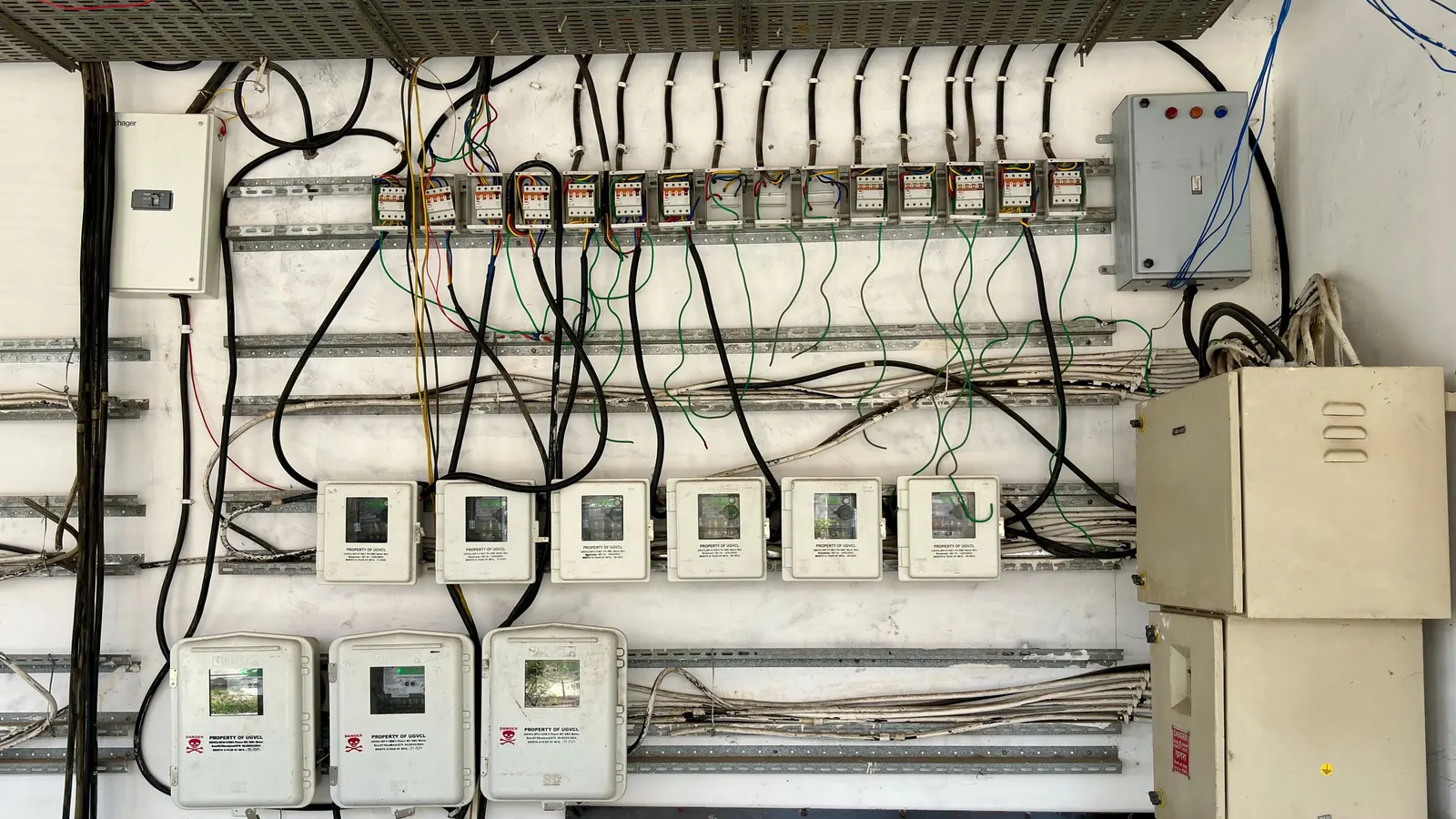
A sump pump battery backup exists because of one awkward coincidence: the storm that puts water in your basement is frequently the storm that takes out your power. At that moment the primary pump stops, and the inflow does not. This guide covers how a battery backup sump pump works, how to size one for a realistic outage, and how to confirm it will actually run when you need it.
Last reviewed and updated: October 8, 2026. Written by Jeremy Jarvis.
Key takeaways
- The storm that floods a basement is often the storm that cuts the power, so the primary pump stops exactly when it is needed.
- Runtime depends on duty cycle more than on battery size, and duty cycle is the number most people guess wrong.
- Flooded lead-acid batteries are normally used to about 50 percent depth of discharge; lithium can go deeper.
- A water-powered backup needs no electricity at all, but uses municipal water and is not an option on a private well.
- Never run a generator indoors or in a crawl space, and never enter standing water before isolating the power.
Work out your real runtime
Runtime claims on a box assume a duty cycle the manufacturer chose. Put your own numbers in the Sump Pump Backup Runtime Calculator and compare.
Why a sump pump battery backup exists
Primary pumps run on mains power. Storms bring down lines. Those two facts are the whole argument.
There is a second, quieter reason too. Primary pumps fail mechanically, and they usually fail under load during the worst weather of the year. A backup covers both cases.
So the question is not really whether a backup is useful. It is whether a wet basement would cost you enough to justify one.
How a sump pump battery backup works
A typical sump pump battery backup adds a second pump to the same pit, mounted higher than the primary. It sits idle while mains power is present.
A charger keeps a deep-cycle battery topped up. When mains power fails and the water rises past the backup’s own switch, the backup pump starts and runs from the battery.
Because a battery backup sump pump sits higher, it also acts as a second line against primary pump failure. If the primary dies while the power is on, water keeps rising until it reaches the backup switch, and the backup takes over.
Most systems include a controller with an alarm that signals low battery, pump activation or a fault.

Battery backup types and depth of discharge
The battery decides most of the cost and most of the runtime.
| Type | Usual depth of discharge | Notes |
|---|---|---|
| Flooded lead-acid | About 50 percent | Cheapest per amp-hour; needs ventilation and periodic water top-up |
| Sealed AGM | About 50 percent | No maintenance, no venting requirement, costs more |
| Lithium | Deeper, per the maker | Highest cost, lightest, longest cycle life; check the stated figure |
Depth of discharge is the figure people miss. A 100 amp-hour flooded battery does not give you 100 amp-hours of work. Taking it below about half its capacity repeatedly shortens its life sharply, so the usable figure is closer to 50.
Consequently, two systems quoting the same amp-hours can deliver very different real runtimes depending on chemistry.
Sizing a sump pump battery backup
Four numbers decide your runtime.
- Battery capacity in amp-hours, and the system voltage.
- Usable depth of discharge, from the battery manufacturer.
- Pump draw in watts while running.
- Duty cycle: the share of time the pump actually runs.
Work through a realistic example. A 100 amp-hour 12 volt battery, used to 50 percent, with 85 percent conversion efficiency, holds roughly 510 watt-hours of usable energy. A 350 watt pump at a 30 percent duty cycle averages 105 watts, which gives about 4.9 hours.
Now change one input. If the storm is heavy enough that the pump runs continuously, the same battery gives about 1.5 hours. Nothing else changed.
Duty cycle is the number people get wrong
This single input moves the answer more than anything else, and almost nobody measures it.
Measuring it is easy. During genuinely heavy rain, time how long your primary pump runs and how long it rests. If it runs 20 seconds in every minute, that is a 33 percent duty cycle.
Do that measurement during a real storm rather than a dry spell. A duty cycle measured in August tells you nothing about April, and April is when you will need the backup.
Afterwards, size the battery for the duty cycle you actually recorded, then add margin for a worse storm.
Water-powered backup: the no-battery alternative
A water-powered backup uses municipal water pressure to drive an ejector that lifts water out of the pit. It has no battery and no motor.
The advantage is obvious: it cannot run flat. In a multi-day outage it keeps working indefinitely, which a battery cannot.
The trade-offs are equally real. It consumes municipal water while running, so a long outage produces a water bill. It needs adequate mains pressure. Crucially, it is not an option on a private well, because a well pump needs the electricity you have just lost. Some jurisdictions also restrict them or require backflow prevention, so check locally.
For a house on municipal water in an area with long outages, it is a genuinely strong choice. For a house on a well, it is not a choice at all.
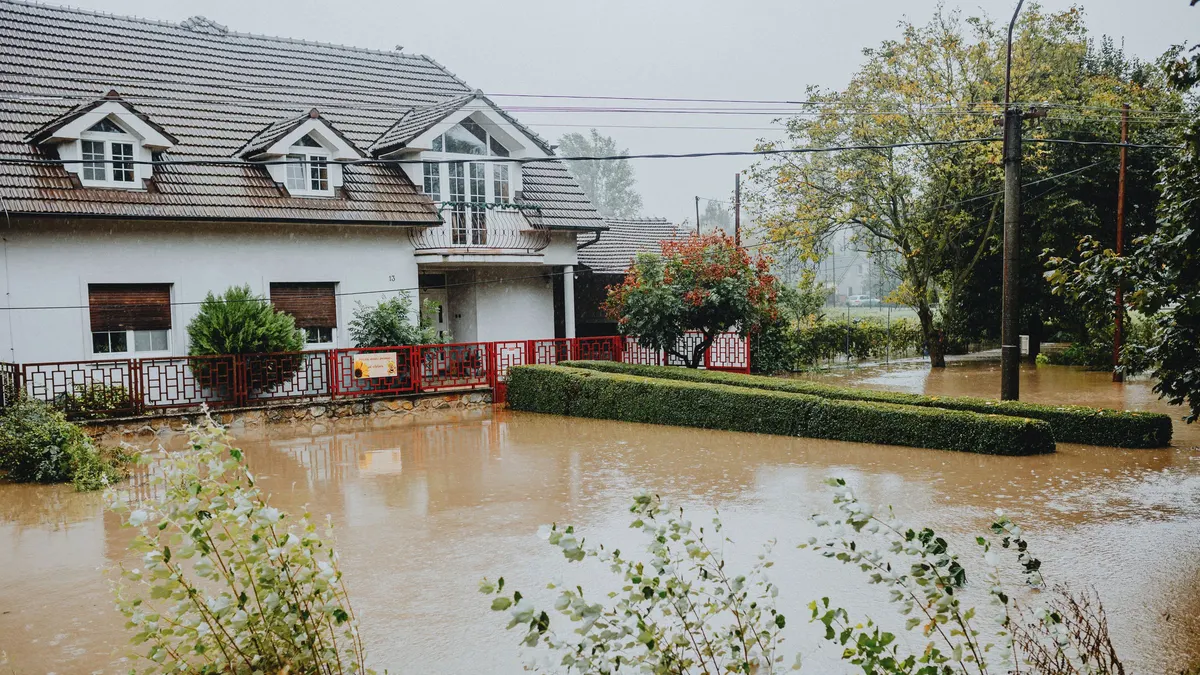
What about a generator?
A generator can run the primary pump, and in a long outage it may be the better answer for the whole house.
However, it has one structural weakness as flood protection: somebody has to be home to start it. A backup pump protects an empty house; a portable generator does not.
There is also a serious safety point. Never run a generator indoors, in a garage, in a basement or in a crawl space. EPA notes that carbon monoxide is produced by combustion and that symptoms of exposure can be severe. Generators belong outdoors, well away from windows and doors.
Treat a generator as complementary rather than as a substitute for a backup pump.
Backup pump alarms, because silence is the real failure
A battery backup sump pump that failed quietly is indistinguishable from one you never installed.
- Fit a high-water alarm above the backup switch, so you learn that both pumps were overwhelmed.
- Use a controller that signals a low or failed battery rather than only pump activation.
- Choose a model with a phone alert if the house is ever empty for days.
- Note the battery install date on the battery itself, in marker.
- Check the charger indicator whenever you are in the basement.
Rising primary-pump run time is the other early warning worth watching. It usually means higher inflow, a worn impeller or a partly blocked discharge, and all three are cheaper to address before the backup is the only thing left.
What a sump pump battery backup costs to fit
A backup normally shares the existing pit, so the work is modest compared with a new installation. The battery needs a stable, ventilated place to sit near the pit, and the charger needs a nearby outlet.
Fixr, quoted October 2026, gives a national average sump pump installation range of $800 to $2,000 with most homeowners spending $1,400, and puts the project high cost at $4,000 for a new pit with two pumps, underground drainage, battery backup and a pump alarm. That high-end figure is a useful reference, because it describes the full belt-and-braces arrangement rather than a backup alone.
Bob Vila notes that sump pump installation is a project best left to the professionals, and that it may be possible for a homeowner with electrical and plumbing training. A backup retrofit into an existing pit sits at the easier end of that, but the charger circuit is still electrical work.
Our installation cost guide breaks a full quote down line by line.
Testing your sump pump backup before you need it
An untested sump pump battery backup is an assumption. Test it twice a year, and always before your wet season.
- Isolate mains power to the primary pump at the outlet or breaker.
- Pour water into the pit until the level reaches the backup switch.
- Confirm the backup starts, and confirm water actually leaves the discharge outside.
- Check the controller reports the correct state and the alarm sounds.
- Restore power and confirm the charger resumes.
- Write the date on your maintenance record.
Safety first while doing any of this. Ready.gov’s flood guidance is worth reading, and the rule that matters most is simple: never enter standing water before the power to that area is off.
Where the battery should sit
Placement matters more than people expect, and it is decided at installation.
Keep the battery off a concrete floor on a shelf or a purpose-made box, out of standing water. The whole point of the system is that it survives a flood, and a battery sitting in the water it is meant to remove is an obvious weakness.
Flooded lead-acid batteries vent gas while charging, so they need ventilation and should not sit in a sealed cupboard. Sealed AGM units do not have that requirement, which is one reason they are common in finished basements.
Leave room to check the terminals and, on a flooded battery, to top up the cells. A battery wedged behind a furnace is a battery nobody maintains.
Finally, keep the charger plugged into a circuit you will notice if it trips. A tripped breaker is a silent way to arrive at a flat battery.
What a backup pump will not do
It is worth being clear about the limits, because a backup is often sold as total protection.
A battery backup sump pump handles water that reaches the pit. It does nothing about water entering elsewhere, such as through a window well, a cracked wall above the pit line, or a failed drain. If your water does not arrive via the pit, a backup changes nothing.
It also cannot outrun inflow indefinitely. Backup pumps generally move less water than the primary, so in an extreme storm the level can rise even while the backup runs correctly. That is what the high-water alarm is for.
And it cannot fix a discharge problem. If the outlet is frozen, crushed or blocked, both pumps run against a closed pipe. Checking the discharge is part of the seasonal routine for exactly this reason.
None of that is an argument against fitting one. It is an argument for fixing drainage outside first, so the pit sees less water in the first place.
Cold weather and winter outages
Winter is when a backup is least likely to perform and most likely to be needed, which is an unhelpful combination.
Battery capacity falls as temperature drops. A battery that tests well on a mild afternoon can deliver noticeably less during a freezing outage, so the runtime you calculated in autumn is an optimistic figure in January.
The discharge line is the second winter problem. A surface hose or a shallow line can freeze solid, and then both pumps run against a blocked pipe. A buried line laid with enough fall to drain itself is far more reliable, and some installations fit a freeze-relief opening so water has somewhere to go if the outlet ices up.
Check the outlet after any hard freeze, and clear snow piled over the discharge point. It is a two-minute job that prevents the most avoidable failure in the whole system.
If you live somewhere outages are long and cold, that is a strong argument for the water-powered option, assuming you are on municipal water.
Buying checklist
- Confirm the battery chemistry and the depth of discharge the maker allows.
- Check the pump wattage, then calculate runtime at your own measured duty cycle.
- Make sure the controller reports battery condition, not just pump activation.
- Check the backup switch can be set above the primary without fouling it in the basin.
- Confirm the discharge arrangement, including whether it shares the primary line.
- Plan where the battery will sit: off the floor, ventilated if flooded lead-acid, reachable.
- Ask what the warranty covers on the pump, the controller and the battery separately.
Get those seven settled and the choice between models becomes straightforward.
Two pumps is not the same as a backup
These get conflated, and they solve different problems.
A duplex arrangement runs two mains-powered pumps in one pit with staggered switch heights. The second only starts when inflow outpaces the first, so it adds capacity and redundancy during the worst hour of a storm. It does nothing at all in a power cut.
A sump pump battery backup adds a pump with an independent power source. It typically moves less water than the primary and is sized to survive an outage rather than to match peak inflow.
A house that both floods heavily and loses power often wants both. That is exactly the arrangement Fixr describes at its high-end figure: a new pit with two pumps, underground drainage, battery backup and an alarm.
When to replace the battery
Batteries degrade whether or not they are used, and cold weather reduces available capacity further.
Replace on the manufacturer’s stated schedule rather than on failure. A battery that tests fine on a mild autumn afternoon may deliver far less during a February outage.
Finally, keep the whole system on the seasonal routine in our maintenance guide, and read what to do when a basement floods before you need it rather than during.
Frequently asked questions about sump pump battery backups
How long does a sump pump battery backup last?
It depends on the battery capacity, how deeply the maker allows you to discharge it, and how hard the pump works. Runtime is simple arithmetic rather than a published figure: usable energy divided by average draw. Our free runtime calculator does it from your own battery, pump wattage and duty cycle, and also shows the worst case where the pump never rests.
Do I need a battery backup sump pump?
If a wet basement would cause real damage, yes. Heavy rain and power cuts arrive together often enough that a primary pump alone is only half a system. If the basement is unfinished and water on the floor is an inconvenience rather than a loss, an alarm may be enough.
Is a water-powered backup better than a battery?
Neither is better in general. A water-powered backup never runs flat, which matters in a long outage, but it consumes municipal water while running and will not work on a private well. A battery backup works anywhere but has a finite runtime and a battery that ages.
How often should I replace the backup battery?
Follow the service life your battery manufacturer states, rather than waiting for failure, and write the install date on the battery itself. Capacity falls with age and in cold weather, so an older battery will not deliver its rated amp-hours when you need it most.
Can I use a car battery?
Deep-cycle batteries are designed for repeated discharge, which is the duty a backup pump demands. A starting battery is built to deliver a large current briefly and does not tolerate deep cycling well. Use what the system manufacturer specifies.
Will a generator do the same job?
A generator can run the primary pump, but only if someone is home to start it. It is also dangerous if misused: never run a generator indoors, in a garage or in a crawl space, because of carbon monoxide. A backup pump works whether or not anyone is in the house.
Sources and how we researched this guide
This guide is research-based. We did not test backup systems for this article. Cost context is quoted from Fixr with the date and scope named, flood safety guidance comes from Ready.gov, and the carbon monoxide warning follows EPA. Battery and electrical work should follow the manufacturer instructions, and new circuits are a job for a licensed electrician. Found something out of date? Tell us and we will check it against the source.
- Fixr: Sump pump installation cost
- Bob Vila: Sump pump cost
- Ready.gov: Floods
- EPA: Carbon monoxide and indoor air quality
Keep planning
- Basement Water Alarm: Where to Put One and Which Type
- Yard Drainage: Fix the Water Before It Reaches the Basement
- Sump Pump Maintenance: A Twice-Yearly Routine
- Sump Pump Installation Cost: What Drives the Price
Go deeper: Wet Basements & Drainage hub · Sump Pump Sizing Calculator · French Drain Material Calculator

Written by Jeremy Jarvis
Jeremy Jarvis is the founder and editor of Basement Playbook, where he builds research-based guides and free planning tools for wet basements and crawl spaces: sump pumps and drainage, encapsulation, dehumidification, radon testing and mitigation, foundation cracks and finishing a basement that stays dry. He sets the site's editorial standards, checks every guide against official sources such as EPA radon and mold guidance, CDC, ENERGY STAR, state health departments and manufacturer documentation, and is responsible for corrections. Structural and radon mitigation work is always referred to a licensed engineer or a certified mitigator. Jeremy also founded Eco Nomad Travel, Mind Clarity Hub, SilkHarborTravel, WanderOza Travel, Freedom Road Living, PowerProof Home and Garage Playbook, and he is the author of books on clarity, focus and practical AI, including The Power of Clarity and Digital Clarity.