
Water in Basement After Rain: How to Find the Cause
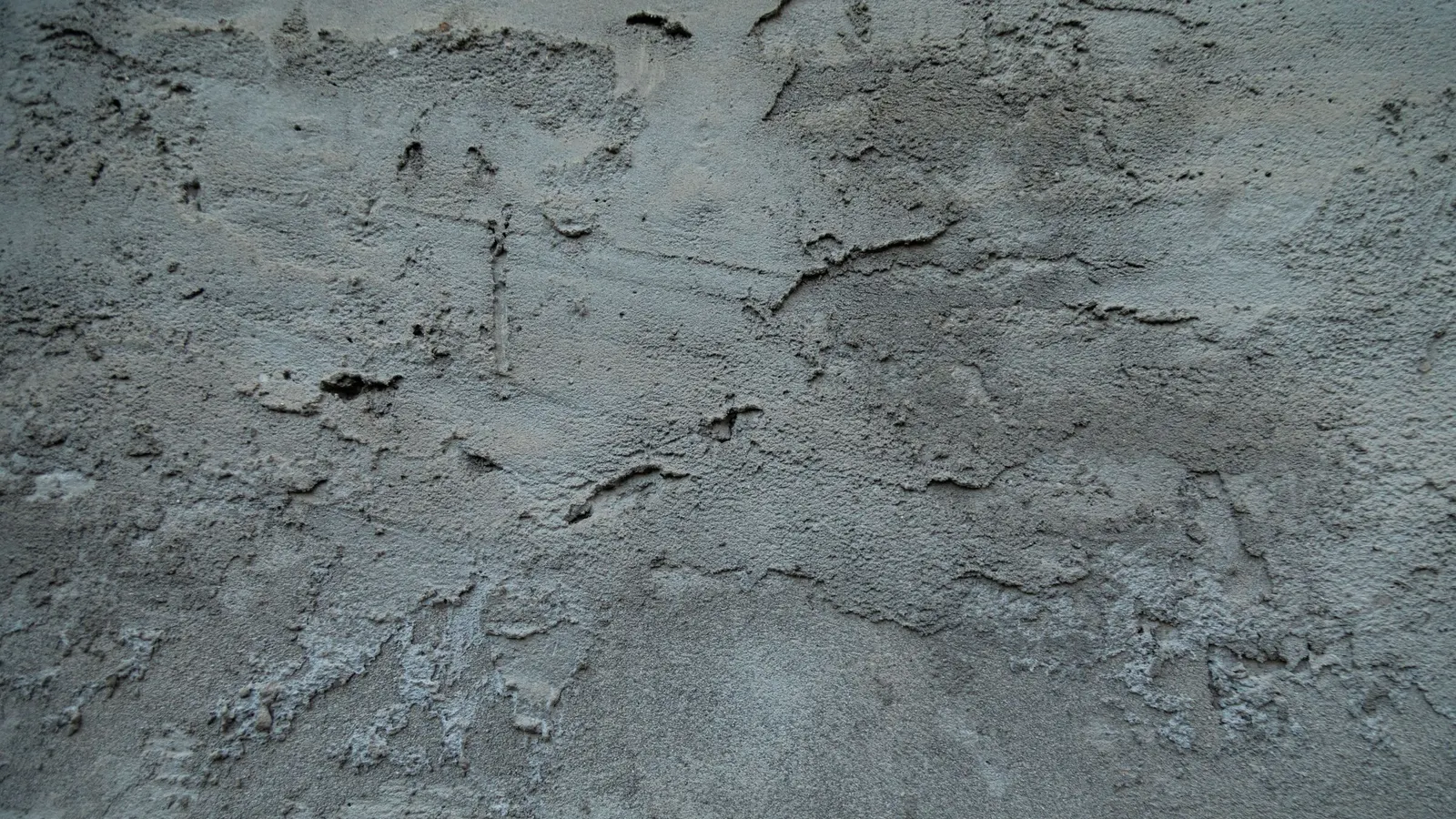
Finding water in basement after rain is frustrating precisely because it is intermittent. The basement is dry for weeks, then there is a puddle, then it dries again and the evidence disappears. However, that intermittency is itself the most useful clue you have, because it ties the water to the weather and therefore to a small set of possible routes.
Last reviewed and updated: October 9, 2026. Written by Jeremy Jarvis.
Key takeaways
- Where the water appears narrows the cause faster than anything else: the floor-wall joint, mid-wall and window wells each mean something different.
- Timing matters too; water during the storm points to surface water, while water a day later points to groundwater.
- Start with gutters, downspout extensions and grading, because they are free or cheap and they shrink every quote that follows.
- EPA’s rule governs the aftermath: dry water-damaged areas and items within 24 to 48 hours to prevent mold growth.
- Only escalate to drainage or waterproofing once the cheap measures have been done and the water still arrives.
Work the cheap end first
The sequence below runs from free to expensive on purpose. Use the Basement Moisture Diagnosis to narrow the cause before spending anything.
What the timing of water in basement after rain tells you
Note when the water appears relative to the rain. This single observation separates two very different problems.
| When it appears | Most likely route | Where to look first |
|---|---|---|
| During the storm | Surface water with a direct path | Downspouts, window wells, hatchways, cracks |
| A few hours after | Soil saturating near the wall | Grading, hard surfaces sloping back, drainage |
| A day or more after | Rising groundwater | Subsurface drainage, sump capacity |
| Only after prolonged wet spells | Seasonal water table | Drainage and discharge capacity |
| No rain involved at all | Condensation | Humidity, ventilation, cold surfaces |
Keep a simple log for a few storms, noting rainfall, timing and location. The pattern emerges faster than memory suggests, and a written record of water in basement after rain is far more persuasive to a contractor than a description from memory.
Read where water in basement after rain appears
Next, look at exactly where it appears. Each location has a characteristic cause.
- At the floor-wall joint, all around: classic hydrostatic pressure under the slab.
- At the floor-wall joint on one side only: the same mechanism, but driven by something specific outside that wall.
- Mid-wall, one spot: a crack, a tie hole, or a service penetration.
- Below a window: the window well, almost every time.
- Near a hatchway or walk-out door: threshold drainage.
- From the ceiling or high on a wall: not groundwater at all; look at plumbing or at the rim joist.
- Beaded on cold pipes and walls in summer: condensation, which no drainage work will fix.
Photograph each occurrence with something for scale. Because the evidence dries within a day, those photographs become the only lasting record that a basement leaks when it rains.

Free checks when a basement leaks when it rains
Do these before spending anything. They resolve a meaningful share of water in basement after rain cases outright, and they cost nothing but an afternoon.
Go outside during the rain. Twenty minutes with a flashlight while it is actually raining tells you more than a week of inspecting a dry wall from inside. Watch where roof water lands and where surface water runs.
Check every downspout. Water should leave the building, not soak in beside it.
Look at the grade. The ground should fall away from the house for the first several feet.
Open the window wells. Clear debris, check for drainage, and look at the sill height relative to the surrounding ground.
Inspect hard surfaces. Driveways, patios and paths settle over time, and a slab that tilts back toward the house delivers a surprising volume.
Gutters and downspouts do most of the damage
A roof collects an enormous volume of water and concentrates it at a handful of points. Consequently a single blocked or short downspout can put thousands of gallons against one spot of foundation in a season.
Check that gutters are clear and that they actually carry water rather than overflowing at the back edge. Check that every downspout is connected along its full length. Above all, check where each one discharges: a downspout ending at the wall is simply a pipe delivering roof water to your foundation.
Extensions should carry water several feet clear of the house, onto ground that falls away. Where underground drains take the water, confirm they still flow; old clay and corrugated lines collapse and silt up, and a blocked buried drain looks identical to a working one from above.
Grading is the second cheapest fix
Soil settles around a foundation for years after construction, and the slope that was built in gradually reverses.
The aim is simple: ground that falls away from the wall for the first several feet. Build the grade up against the foundation with soil rather than mulch, keeping it well below the siding and any vents, then re-establish the fall. Mulch and decorative stone do not create slope, because water runs beneath them.
Our yard drainage and grading calculator covers the larger version of this problem, where the lot itself directs water toward the house.
One caution applies to raising the grade. Soil must stay several inches below the siding, any wall vents and the top of the foundation, because burying those invites a different kind of water problem and, in timber-framed houses, rot. Where there is not enough height to build up the soil, a swale that carries water around the house is the usual alternative.
Settled hard surfaces deserve the same attention. A patio or path that has tipped back toward the house can be mud-jacked or relaid, and doing so often removes more water than any amount of sealing the wall from inside would.
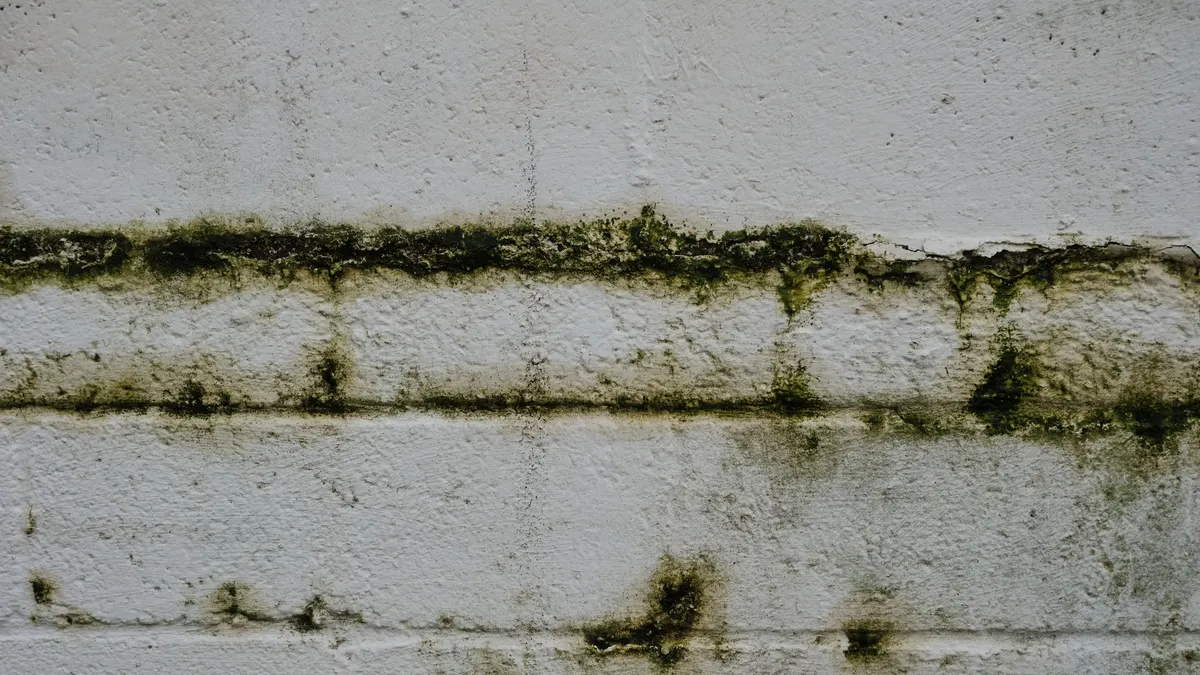
Window wells and other direct routes
A window well sits below grade by definition, so it only works if water can leave it. Many have no drainage at all, or had a drain that silted up decades ago.
Clear the well, add washed stone, confirm the drain still accepts water, and fit a cover. Where the surrounding ground slopes toward the well, fix that too, since the cover alone will not stop water arriving from the side.
Similarly, check the other direct routes: hatchway doors, service penetrations for water, gas, electricity and cable, and the gap around any pipe passing through the wall. These are cheap to seal and easy to overlook.
How much water is actually arriving
Volume changes the diagnosis, and most people estimate it badly because a thin film spreads a long way across a flat slab.
A useful trick is to measure rather than describe. Lay a few sheets of newspaper along the wet area during the next storm and note how long each takes to soak through. Alternatively, mop the floor dry, set a timer, and see how long the water takes to return. A damp patch that reappears over an hour is a very different problem from a slab that is wet again in five minutes.
Scale it against the weather too. The National Weather Service treats flooding as a coast-to-coast threat affecting some part of the United States nearly every day of the year, so an exceptional storm is not the benchmark to design around. What matters is whether ordinary rain produces water. If it does, the problem is in the house rather than in the sky.
Cracks, and which ones matter
A crack that leaks is not automatically a structural problem, but some cracks are.
Narrow vertical cracks in poured concrete are common, frequently shrinkage-related, and often injectable. Horizontal cracks, stair-step cracking in block, and any wall that is bowing inward are different; those indicate pressure the wall is struggling with, and they warrant a licensed structural engineer before any sealing happens.
The reason matters practically rather than theoretically. Sealing a crack that is still moving removes the evidence an engineer would have used, and the seal fails anyway.
When a wet basement means pressure under the slab
If water appears along the floor-wall joint after the cheap measures are done, the water table around the foundation is rising above the slab during wet weather.
At that point the remedies become structural rather than cosmetic: exterior drainage to intercept the water, or interior drain tile and a sump to collect and remove it. Our french drain guide explains how both work, and the waterproofing guide sets out the full menu by cost.
Fixr puts french drain installation at a national average of $5,000, with a typical range of $2,800 to $6,500. Bob Vila, citing Angi, puts basement waterproofing at $2,300 to $7,575 with a $4,920 national average. Those are large numbers, which is exactly why the free checks come first.
When it is condensation rather than a leak
Not every wet basement is leaking. In humid weather, warm moist air meets cold masonry and water forms on the surface.
The tell is distribution. Condensation appears evenly on cold surfaces, including pipes and the underside of the floor above, and it correlates with humidity rather than with rain. A leak appears in a specific place and correlates with the weather.
Tape a square of plastic sheet tightly to a bare wall for a day. Moisture on the room side of the plastic means condensation; moisture trapped behind it means water coming through the wall. It is a free test and it settles the question.
The escalation ladder for a wet basement
Work down this list in order, stopping as soon as the water in basement after rain stops appearing.
- Clear gutters and reconnect downspouts.
- Extend downspouts several feet from the house.
- Clear and cover window wells; confirm their drains flow.
- Seal service penetrations and obvious gaps.
- Regrade the first several feet so the ground falls away.
- Correct hard surfaces that slope back toward the house.
- Add exterior drainage where surface measures are not enough.
- Add interior drain tile and a sump where water is still arriving under the slab.
- Consider exterior membrane work last, because it is the most disruptive.
Give each step at least one substantial storm before judging it. Otherwise you will not know which measure worked, and that knowledge is what keeps the next quote small.
Drying out afterwards
Whatever the cause of the water in basement after rain, deal with what already arrived.
EPA is specific that it is important to dry water-damaged areas and items within 24 to 48 hours to prevent mold growth. Therefore run fans and a dehumidifier rather than waiting for a damp basement to dry on its own, and lift wet items off the slab.
Where the volume was significant, our flooded basement guide covers the full sequence including the safety steps.
When to bring someone in
Call a structural engineer, rather than a waterproofing contractor, if a wall is bowing, if cracks are horizontal or stair-stepped, or if a crack is visibly widening over time.
Call a drainage contractor once the free measures are genuinely done and water still arrives at the floor-wall joint during ordinary rain. Bring your photographs and your log of when the water appeared; it shortens the diagnosis and it makes the quotes comparable.
And call someone sooner if the water is ever contaminated, if it reaches electrical equipment, or if it keeps rising while you watch it.
What to expect once you have done the cheap work
Two outcomes are normal, and both are useful.
In the first, the water stops. Keep the log going for a full wet season before concluding it is solved, because one dry month proves very little. Maintain the gutters and the grade thereafter; both degrade quietly, and a problem that was fixed for free tends to return for free as well.
In the second, the water reduces but does not stop. That is still progress rather than failure. You have removed the surface-water component, which means whatever remains is genuinely groundwater, and the contractor you call next is quoting for a smaller and better-defined job. In addition, you can now tell them precisely which wall, how soon after rain, and how much, which is the information that distinguishes a careful quote from a generic one.
Either way, resist the temptation to do everything at once. Sequencing the work is what tells you which measure actually mattered, and that knowledge is worth money the next time.
Frequently asked questions about water in basement after rain
Why do I only get water in the basement when it rains?
Because the water is arriving from the surface or from the soil immediately around the house, rather than from a plumbing failure inside it. That is good news in one sense: surface-driven problems respond to gutters, downspout extensions and grading, which are the cheapest measures available. Water that appears during the storm itself is particularly likely to be surface water.
Where is the water actually getting in?
Look at the location before anything else. The joint where the floor meets the wall usually indicates pressure under the slab. A single wet spot mid-wall points to a crack or a service penetration. Below a window, suspect the window well first. Moisture spread evenly over cold surfaces in humid weather, with no rain involved, is condensation rather than a leak.
Is water in the basement after rain serious?
It depends on volume and on whether it is getting worse. A small amount at one spot after an exceptional storm is worth monitoring. Water on every heavy rain is a pattern that will not improve by itself, and it carries a mold risk, because EPA notes that if you fix the mold but not the water problem the mold will most likely come back.
How long does it take for the water to show up?
Water that appears while it is still raining usually came over the surface, through a window well, or down a crack with a direct route. Water that appears several hours or a day later usually travelled through soil, which means the water table around the foundation has risen. The delay itself is diagnostic, so note it.
Can I fix this myself?
Often the first round, yes. Cleaning gutters, adding downspout extensions, clearing and covering window wells, and improving the grade in the first few feet are all homeowner jobs with real success rates. Interior drain tile, exterior excavation and anything structural are not.
How much will the fix cost if the cheap measures do not work?
It depends which remedy the evidence points to. Fixr puts french drain installation at a $5,000 national average with a typical range of $2,800 to $6,500. Bob Vila, citing Angi, puts basement waterproofing at $2,300 to $7,575 with a national average of $4,920, and cites HomeAdvisor at $5 to $10 per square foot. Doing the free work first is what keeps you at the lower end of those ranges.
Sources and how we researched this guide
Research-based and diagnostic. The sequence here is ordered by cost, cheapest first, which is deliberate: the free checks resolve a meaningful share of cases and shrink the quote for everything else. Cost figures are attributed to Fixr or Bob Vila with scope and date, and moisture guidance to EPA. Structural movement is a matter for a licensed structural engineer. Found something out of date? Tell us and we will check it against the source.
- EPA: A brief guide to mold, moisture and your home
- Fixr: French drain installation cost
- Bob Vila: Basement waterproofing cost
- National Weather Service: Flood safety
Keep planning
- Basement Water Alarm: Where to Put One and Which Type
- Yard Drainage: Fix the Water Before It Reaches the Basement
- Sump Pump Maintenance: A Twice-Yearly Routine
- Sump Pump Installation Cost: What Drives the Price
Go deeper: Wet Basements & Drainage hub · Sump Pump Sizing Calculator · French Drain Material Calculator

Written by Jeremy Jarvis
Jeremy Jarvis is the founder and editor of Basement Playbook, where he builds research-based guides and free planning tools for wet basements and crawl spaces: sump pumps and drainage, encapsulation, dehumidification, radon testing and mitigation, foundation cracks and finishing a basement that stays dry. He sets the site's editorial standards, checks every guide against official sources such as EPA radon and mold guidance, CDC, ENERGY STAR, state health departments and manufacturer documentation, and is responsible for corrections. Structural and radon mitigation work is always referred to a licensed engineer or a certified mitigator. Jeremy also founded Eco Nomad Travel, Mind Clarity Hub, SilkHarborTravel, WanderOza Travel, Freedom Road Living, PowerProof Home and Garage Playbook, and he is the author of books on clarity, focus and practical AI, including The Power of Clarity and Digital Clarity.