
Flooded Basement: Safe Steps to Clean Up and Dry Out
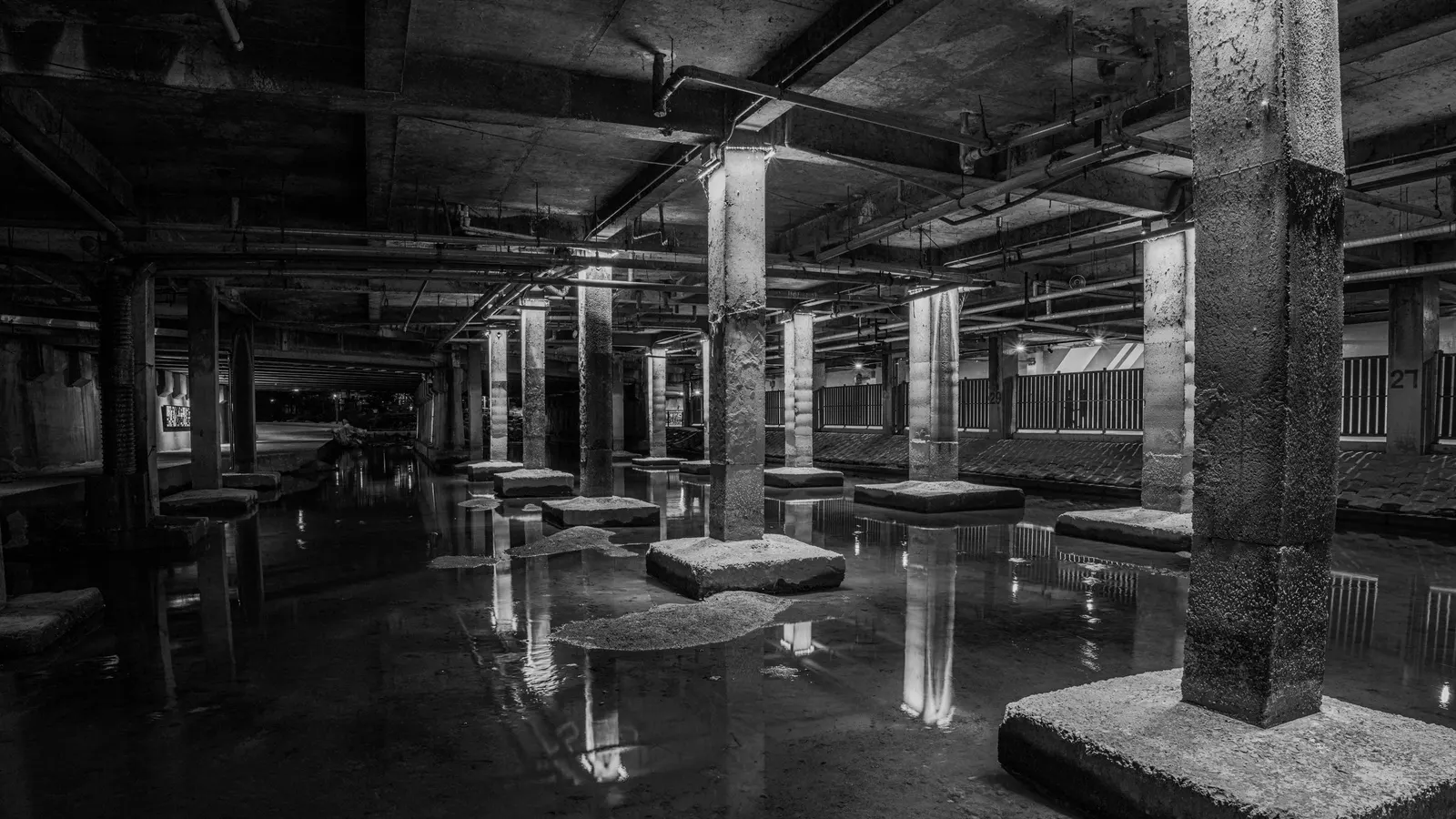
A flooded basement is one of the few home problems where the order you do things in matters more than the skill you bring to them. Hazards first, water second, drying third. Consequently this guide is written as a sequence, and the first section is the one people most often skip. Repeated basement flooding needs a different response from a one-off, so the last section deals with cause rather than cleanup.
Last reviewed and updated: October 9, 2026. Written by Jeremy Jarvis.
Key takeaways
- Do not enter standing water until the power to the basement is confirmed off, ideally by an electrician or the utility.
- Ready.gov warns that just six inches of moving water can knock you down, which applies outside as well as in.
- Never run a generator or fuel-powered pump indoors: EPA notes deadly carbon monoxide can build up quickly and linger for hours after shutoff.
- EPA advises drying water-damaged areas and items within 24 to 48 hours to prevent mold growth.
- EPA puts the DIY mold limit at about 10 square feet; beyond that, or with contaminated water, bring in a professional.
Emergency first
If the water is rising, if you can smell fuel or sewage, or if you are under a flood warning, leave and call for help. Ready.gov is clear that failing to evacuate flooded areas or entering flood waters can lead to injury or death. Property can be replaced.
Before you enter a flooded basement
Stop at the top and answer four questions.
- Is the power off? Not “is the light off”, but is the circuit confirmed dead.
- How deep is it? Depth changes everything about what is safe.
- What is in the water? Clean supply water, rainwater and sewage are three different jobs.
- Is it still rising? If so, the cleanup has not started yet.
Ready.gov notes that just six inches of moving water can knock you down. That figure is usually quoted about streets, but a basement stairwell with water moving through it deserves the same respect.
Flooded basement electrical hazards come first
This is the part that injures people.
Outlets, cords, appliances, the furnace and often the panel itself sit at or below the waterline in a flooded basement. Water bridges all of it. Therefore the supply has to be off before anyone steps in.
If the panel is upstairs and dry, switch off the basement circuits and then the main. If the panel is in the basement, or if reaching it means standing in water, do not. Call the utility or an electrician and have the supply cut at the meter instead. Waiting an hour for that is cheaper than the alternative.
Afterwards, assume every appliance that was submerged needs professional assessment before it is energised again. Furnaces, water heaters and electrical panels that have been underwater are not simply dried off and switched back on.

What kind of flood water is it
Restoration work divides water into categories, and the distinction drives everything about handling and disposal.
| Source | Risk | Approach |
|---|---|---|
| Burst supply pipe, clean water | Lowest | Usually homeowner-manageable with PPE |
| Groundwater or rainwater through walls | Moderate; soil contaminants | Gloves, boots, eye protection; discard porous items |
| Sewer backup or river flooding | High; pathogens | Professional remediation |
EPA is explicit about the last row: if the water or mold damage was caused by sewage or other contaminated water, call in a professional who has experience cleaning and fixing buildings damaged by contaminated water. That is not an upsell; it is a health judgement.
Generators and pumps: the carbon monoxide trap
Power cuts and flooding arrive together, so generators come out. This is where people die after the flood rather than during it.
EPA states that deadly levels of carbon monoxide can quickly build up in these areas and can linger for hours, even after the generator has shut off. Note the second half of that sentence. Ventilating after you stop the engine is too late.
Accordingly, run generators outdoors only, well away from the house, with the exhaust directed away from doors, windows and vents. The same applies to any fuel-powered pump. Fit carbon monoxide alarms on every level and test them. EPA also notes that carbon monoxide can cause flu-like symptoms that clear up after leaving home, which is the warning sign to act on immediately.
Removing the water from a flooded basement
With the power confirmed off and the water category understood, the removal itself is straightforward.
For a few inches, a wet vacuum and buckets will do, tedious though it is. For deeper water a utility pump or a rented submersible pump moves it far faster. Where a sump pit exists but did not keep up, check our sump pump guide for sizing, and consider whether a power cut defeated it; a battery backup exists precisely for that case.
Pump gradually rather than all at once. While the soil outside is still saturated, the water inside is partly balancing the pressure against the walls and slab. Draining it quickly removes that balance. In practice, taking a day over it and watching for new cracks is the cautious approach.
Discharge well away from the house, and not into a sanitary sewer where local rules forbid it. Otherwise the water simply returns.
Drying is the step that actually prevents mold
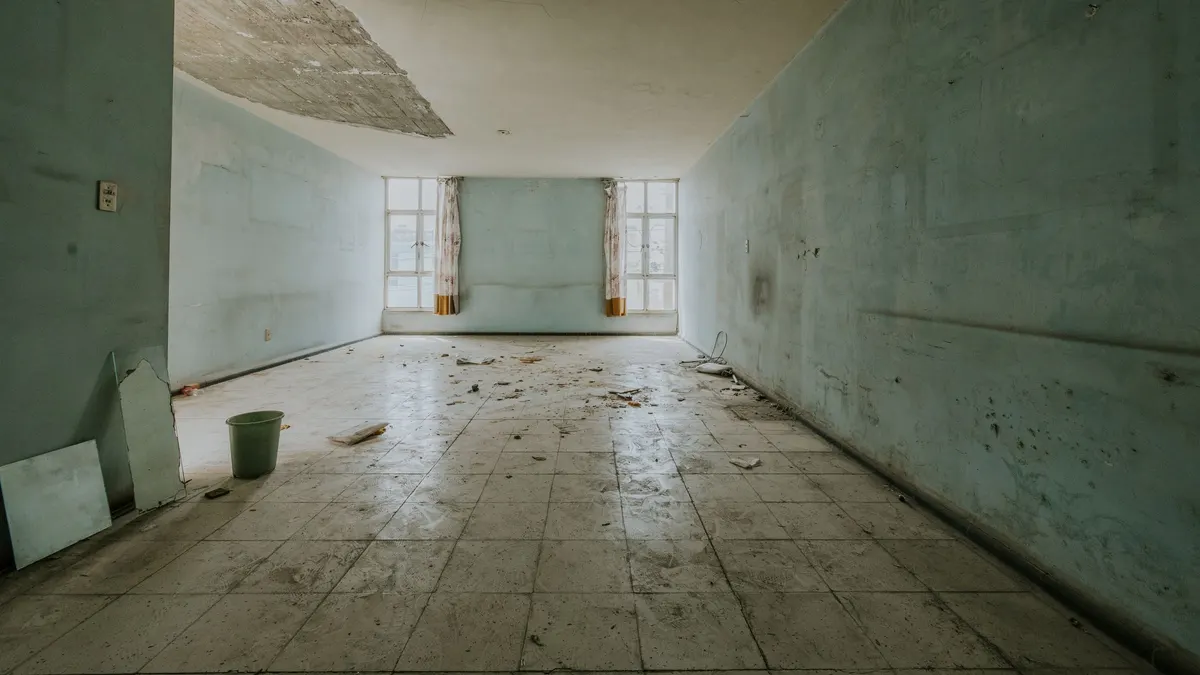
Getting the standing water out feels like the finish. However, it is the halfway point.
EPA’s guidance sets the clock: dry water-damaged areas and items within 24 to 48 hours to prevent mold growth. Everything about the drying stage follows from that window.
- Remove wet carpet, underlay and anything porous that cannot be dried fast.
- Open up wet wall cavities rather than leaving insulation trapped behind drywall.
- Run fans for air movement and dehumidifiers for removal; you need both.
- Lift furniture off the slab so air can reach underneath.
- Keep going after the surface feels dry, because the slab and framing hold moisture longer.
- Track progress with a moisture meter or a hygrometer instead of judging by hand.
Rented commercial air movers and a large dehumidifier for a few days typically cost far less than remediating the mold that follows an incomplete dry-out.
Two details decide whether the drying actually works. First, air movement and moisture removal are different jobs: fans move damp air around, and only a dehumidifier or dry outside air takes the water away. Running fans alone in a closed basement simply redistributes the humidity. Second, warmer air holds more moisture, so gentle heat speeds drying considerably, provided the dehumidifier keeps pace with what that heat releases.
Opening the windows helps only when the outside air is genuinely drier than the inside air. On a humid summer day it makes matters worse, because warm moist air condenses on cool basement surfaces. Check the dew point rather than the temperature before deciding.
What to keep and what to discard
The rule of thumb is porosity. Non-porous items clean up; porous ones usually do not, especially after contaminated water.
Hard surfaces, metal, glass, sealed plastics and solid wood furniture can generally be washed and dried. Carpet, underlay, mattresses, upholstered furniture, cardboard, particle board and wet insulation generally go. EPA’s cleanup guidance is direct about the method for what stays: scrub mold off hard surfaces with detergent and water, and dry completely.
Photograph everything before it leaves the house.
One nuance is worth knowing about solid wood and engineered flooring over a slab. Solid timber can sometimes be dried and refinished if it is lifted quickly and dried from both faces. Engineered and laminate boards, by contrast, delaminate once their cores wet out, and they rarely recover. Similarly, drywall wicks water upward well above the visible line, so cutting it back above that line is normal practice rather than over-caution.
Where the mold threshold sits
EPA gives a usable line. Where the moldy area is less than about 10 square feet, roughly a three foot by three foot patch, in most cases you can handle the job yourself. Beyond that, or where there has been a lot of water damage, EPA directs you to its remediation guidance instead of a DIY cleanup.
If you hire someone, EPA advises making sure the contractor has experience cleaning up mold, checking references, and asking them to follow the recommendations in EPA’s remediation guide and the guidelines of recognised industry bodies. Those are reasonable questions to ask on the phone.
Above all, remember the underlying rule: clean up the mold but fail to fix the water problem, and the mold comes back.
Protective equipment and the basics you will want
None of this is specialist kit, but assembling it afterwards wastes the hours that matter most.
- Waterproof boots with a sole you can trust on a wet slab, and waterproof gloves.
- Eye protection, plus an N95 respirator once drying and mold cleanup begin.
- A headlamp or battery lantern, since the basement lighting circuit should be off.
- A wet vacuum, and a utility or submersible pump for anything more than a few inches.
- Long discharge hose, so water leaves the house rather than circling back.
- Fans and at least one dehumidifier; rented commercial units dry far faster than domestic ones.
- A moisture meter or hygrometer, because judging dryness by touch is how cleanups fail.
Work in pairs where you can. Someone upstairs who knows you are down there is a sensible precaution in a space with one exit.
A realistic timeline for the first week
People underestimate how long this takes, which leads to drying being cut short. Here is a more honest shape for a moderate basement flooding event.
| Stage | Typical duration | What matters most |
|---|---|---|
| Make safe | First hour | Power confirmed off; hazards identified |
| Document | 30 to 60 minutes | Photos and video before anything moves |
| Remove water | Several hours to a day | Gradual pumping; discharge well away |
| Strip out | One day | Wet carpet, insulation and porous items gone |
| Active drying | Three to seven days | Fans plus dehumidifiers running continuously |
| Verify dry | Ongoing | Meter readings, not how a surface feels |
| Rebuild | Only after verification | Closing up a damp cavity causes the next problem |
Notice how much of that week is drying rather than pumping. Closing a wall back up at day three because the surface feels dry is the single most common way a cleanup turns into a mold job.
Document it before you clean it
Insurance decisions are made on evidence that stops existing once the cleanup starts.
Photograph and video the whole basement before you move anything, including water depth against a wall, damaged possessions and the mechanical equipment. Keep a written inventory with approximate ages and values. Keep every receipt for pumps, rental equipment, dehumidifiers and contractors. Then call the insurer before discarding anything substantial.
Ask your insurer directly whether surface flooding falls under your homeowners policy or requires separate flood cover. The answer varies by insurer and by location, so it is worth knowing before you need it rather than during a claim.
Then find out why the basement flooding happened
Cleanup addresses this flood. Finding the cause addresses the next one.
Work outward: gutters and downspouts, then grading, then drainage, then the walls themselves. Our water after rain guide covers diagnosis when the flooding tracks the weather, and the waterproofing guide sets out the order of remedies by cost.
If the flood came from a failed pump rather than from outside, the fix is smaller and more specific: correct sizing, a maintained check valve, and backup power for the next outage.
Reducing the damage the next time
Some of a flood is unavoidable. How much it costs you, though, is partly a storage and layout decision made long beforehand.
- Store anything valuable on shelving rather than on the slab, even a few inches up.
- Use sealed plastic bins instead of cardboard boxes for everything that stays down there.
- Keep irreplaceable documents and photographs out of the basement entirely.
- Raise the washer, dryer and any electronics onto platforms where the layout allows it.
- Know where the water shutoff and the breaker for the basement are, before you need them in the dark.
- Test the sump pump twice a year by pouring water into the pit, rather than assuming it works.
- Keep a wet vacuum, a torch and spare batteries somewhere upstairs and dry.
None of that prevents a flood. Collectively, though, these measures turn a devastating event into an inconvenient one, and they cost very little to put in place.
Finally, write down what happened and when. A flooded basement that happens twice tells you something a single event cannot, and the detail is impossible to reconstruct a year later.
Frequently asked questions about flooded basement cleanup
Is it safe to go into a flooded basement?
Not until the electricity is dealt with. Water conducts, and outlets, appliances and the panel itself may be energised below the waterline. If the panel is in the basement or you would have to stand in water to reach it, do not reach it; call the utility or an electrician to kill the supply at the meter. Only then assess what else is down there.
How long do I have before mold starts?
Less time than most people expect. EPA states that it is important to dry water-damaged areas and items within 24 to 48 hours to prevent mold growth. That window governs the whole cleanup: removing the water matters, but the drying that follows is what actually prevents the second problem.
Can I use a generator to run a pump in the basement?
Never indoors, and not in an attached garage or a doorway either. EPA warns that deadly levels of carbon monoxide can quickly build up in these areas and can linger for hours, even after the generator has shut off. Run generators well away from the house with the exhaust pointed away from any opening, and fit a working carbon monoxide alarm on every level.
When do I need a professional rather than doing it myself?
EPA’s guidance gives two clear triggers. If mold growth covers more than about 10 square feet, consult EPA’s remediation guidance rather than tackling it yourself. And if the water damage was caused by sewage or other contaminated water, call in a professional who has experience cleaning and fixing buildings damaged by contaminated water.
Should I pump the water out all at once?
Not if the ground outside is still saturated. Draining a basement rapidly while the surrounding soil is waterlogged removes the inside pressure that was balancing the outside pressure against walls and slab. Pump it down gradually over a day or so and watch for new cracking as you go.
Will my insurance cover this?
That depends entirely on the cause and on your specific policy, so the practical answer is to find out before you clean up rather than after. Photograph and video everything first, keep every receipt for pumps, rentals and contractors, and call your insurer before discarding anything you intend to claim for. Ask them directly whether surface flooding is covered under your policy or needs separate flood cover, because the answer varies.
Sources and how we researched this guide
Research-based and safety-led. Hazard guidance is quoted from Ready.gov, the National Weather Service and EPA with the source named. We are not a restoration contractor and do not attend flooded homes; where a judgement call carries real risk, this guide says to call a professional rather than guessing on your behalf. Found something out of date? Tell us and we will check it against the source.
- Ready.gov: Floods
- National Weather Service: Flood safety
- EPA: Mold cleanup in your home
- EPA: Carbon monoxide’s impact on indoor air quality
- EPA: A brief guide to mold, moisture and your home
Keep planning
- Basement Water Alarm: Where to Put One and Which Type
- Yard Drainage: Fix the Water Before It Reaches the Basement
- Sump Pump Maintenance: A Twice-Yearly Routine
- Sump Pump Installation Cost: What Drives the Price
Go deeper: Wet Basements & Drainage hub · Sump Pump Sizing Calculator · French Drain Material Calculator

Written by Jeremy Jarvis
Jeremy Jarvis is the founder and editor of Basement Playbook, where he builds research-based guides and free planning tools for wet basements and crawl spaces: sump pumps and drainage, encapsulation, dehumidification, radon testing and mitigation, foundation cracks and finishing a basement that stays dry. He sets the site's editorial standards, checks every guide against official sources such as EPA radon and mold guidance, CDC, ENERGY STAR, state health departments and manufacturer documentation, and is responsible for corrections. Structural and radon mitigation work is always referred to a licensed engineer or a certified mitigator. Jeremy also founded Eco Nomad Travel, Mind Clarity Hub, SilkHarborTravel, WanderOza Travel, Freedom Road Living, PowerProof Home and Garage Playbook, and he is the author of books on clarity, focus and practical AI, including The Power of Clarity and Digital Clarity.