
Musty Basement Smell: Finding the Source and Removing It
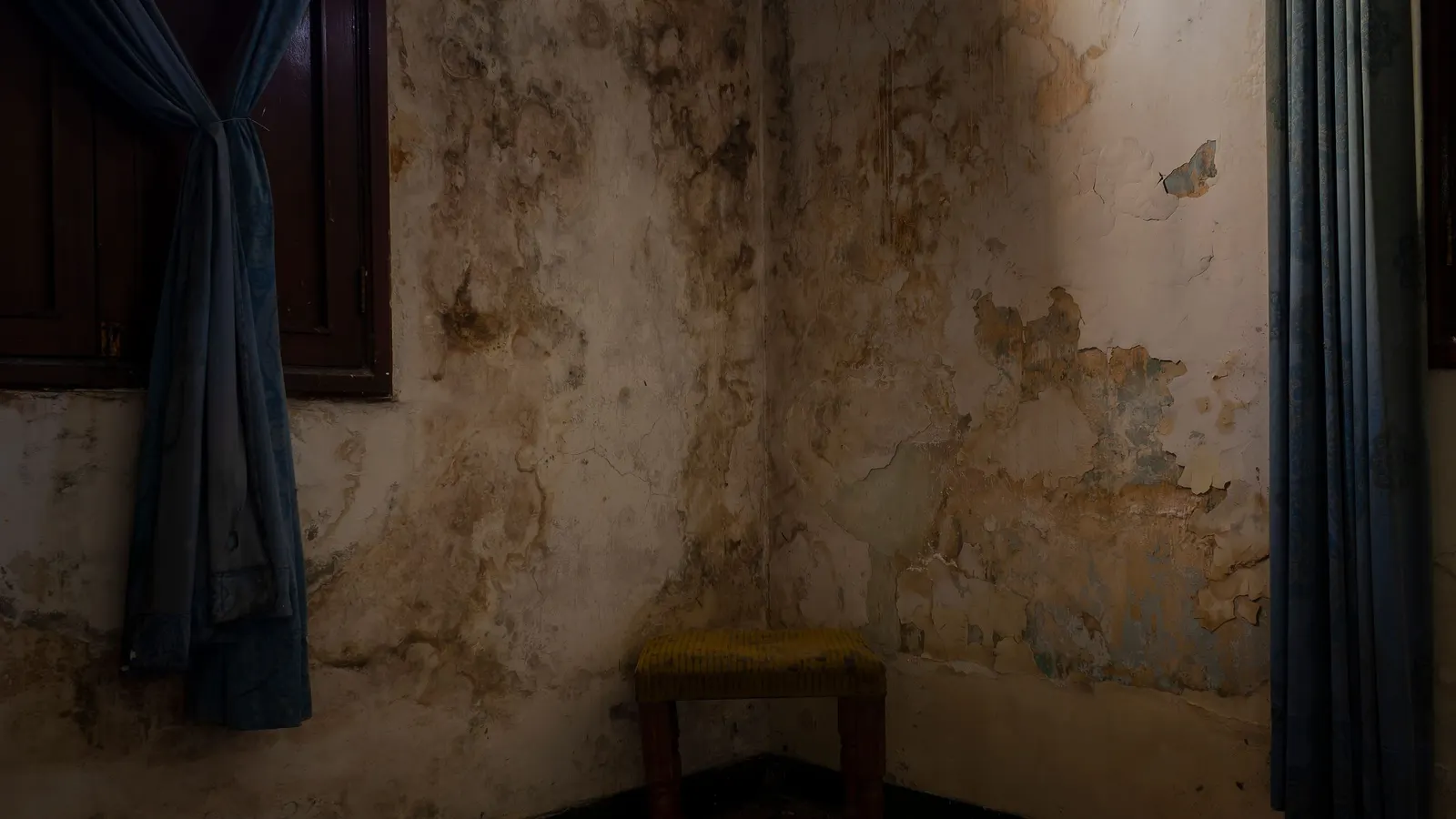
A musty basement smell is the most useful symptom a basement produces, because it appears before anything is visible. It is also the one most often treated as the problem rather than the signal. A musty smell in basement air means something down there is damp enough to support growth, and the job is finding it rather than covering it.
Last reviewed and updated: October 9, 2026. Written by Jeremy Jarvis.
Key takeaways
- CDC is explicit that if you see or smell mold, you should remove it, so the smell counts as a finding.
- The smell is evidence of growth somewhere, and usually of moisture you have not found yet.
- ENERGY STAR’s own description of a damp space includes a musty odour that may be intermittent.
- Masking products remove the one signal that tells you whether the fix worked.
- Track it systematically: humidity reading first, then a methodical search, then the moisture source.
Start with a number
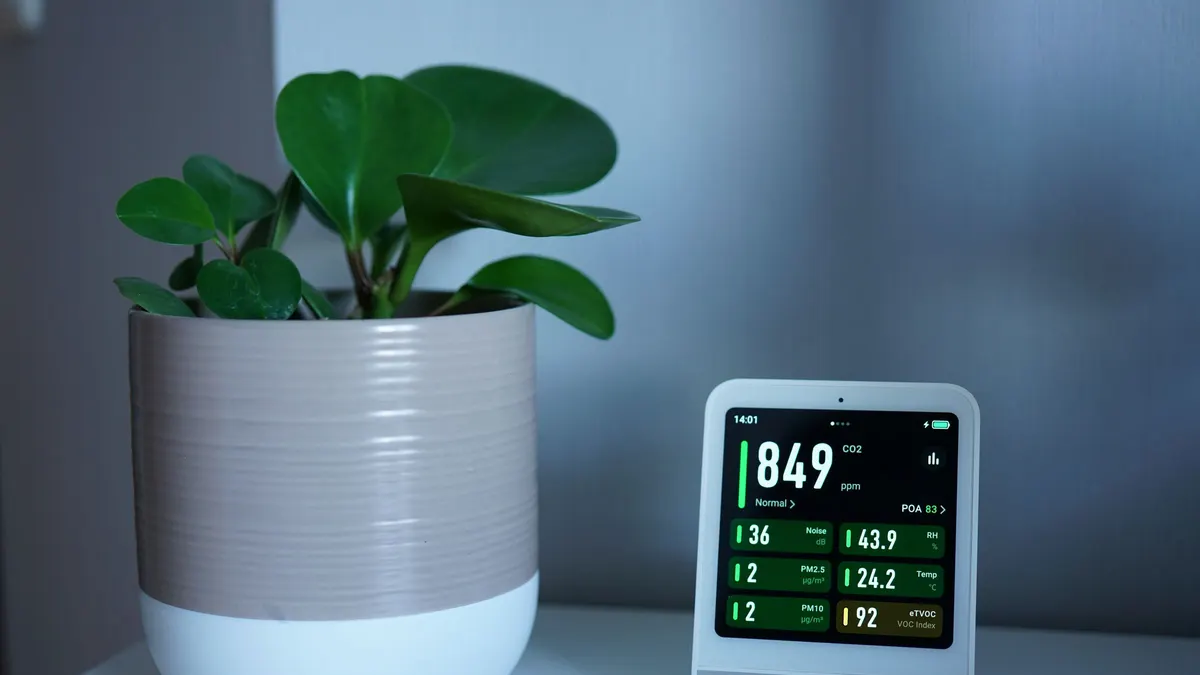
The smell usually tracks humidity. Get a baseline and a target with the Basement Humidity Target Tool before searching.
What a musty basement smell actually is
The odour comes from compounds released by microbial growth as it consumes damp organic material. In a basement that generally means mold or mildew on cardboard, timber, textiles, paper, dust or settled organic debris.
Two implications follow. First, the smell is produced by something that is actively growing, which means it is actively damp. Second, it can travel, so where you notice it is not necessarily where it is coming from.
CDC’s instruction treats the odour as sufficient grounds for action on its own: if you see or smell mold, you should remove it. That is a useful standard, because it means you do not need to identify anything to justify acting.
Why a musty basement smell is worth acting on
There are three reasons, and only one of them is comfort.
The first is that it indicates moisture you have not found. EPA states that mold may begin growing indoors when mold spores land on surfaces that are wet, so growth implies wetness somewhere.
The second is material damage. EPA notes that if left unchecked, mold eventually can cause structural damage to building materials, and long before that it ruins stored belongings.
The third is air quality. EPA’s introduction to indoor air quality notes that high temperature and humidity levels can also increase concentrations of some pollutants, and air from a basement rises into the rest of the house rather than staying put.
Where a musty smell in basement air hides
A systematic search beats wandering around sniffing, and it helps to know the usual candidates.
| Location | Why it holds moisture | What to look for |
|---|---|---|
| Cardboard boxes on the slab | Absorbs moisture from concrete | Soft, stained or warped bases |
| Behind furniture on exterior walls | Still air, cold surface | Spotting on the wall or the backing |
| Carpet or rugs over concrete | Traps moisture underneath | Damp underlay, discoloured backing |
| Floor drains and unused traps | Dry trap lets sewer gas through | Smell strongest near the drain |
| Sump pit | Standing water evaporating | Open pit, debris, stagnant water |
| Behind finished walls | Hidden condensation or a leak | Staining at the base, soft board |
| Washing machine and its hoses | Residual water, slow leaks | Damp floor, mould in the seal |
| Old timber and stored firewood | Organic and absorbent | Visible growth, damp to touch |
Most musty basements turn out to be one or two of these rather than the building itself, which is encouraging, because they are cheap to fix.
Step one: take a humidity reading
Before searching, establish whether the whole space is damp or whether something specific is.
Put a hygrometer in the middle of the basement and leave it for a few days. ENERGY STAR describes a slightly to moderately damp space as feeling damp with a musty odour that may be intermittent, at 50 to 75% relative humidity. If your readings sit in or above that band, the space itself is the problem and our humidity level guide is the place to start.
If the readings are low and the smell persists, something specific is holding moisture even though the air is not. That is a search problem, and the next section is how to run it.
Reading the pattern before you search
Before crawling behind anything, spend a week noting when the smell is present and when it is not. The pattern narrows the search considerably.
A smell that is worst in humid summer weather and fades in winter is tracking the air. That points to the space as a whole rather than to one item, and the humidity reading will usually confirm it.
A smell that appears during and after rain, and fades between, points to water entering somewhere. That is a drainage question rather than a search for a damp box.
A smell that is constant regardless of weather usually means a specific damp item or a continuous source, such as a dry drain trap or a slow leak. Constant odour is in some ways the easiest case, because it will still be there when you go looking for it.
Finally, a smell that is strongest when the heating or air conditioning starts suggests the system itself is moving air from somewhere damp. EPA advises reading its guidance on duct cleaning before acting where contamination of that system is suspected.
A systematic search
Hunt a musty basement smell with a cold nose, which means coming in from outside rather than after sitting down there for an hour. Your sense of smell adapts quickly, and the first thirty seconds are the most informative you will get.
- Walk in and note immediately where the smell seems strongest.
- Work along each wall in turn, smelling close to the base.
- Pull storage away from exterior walls and check behind and underneath.
- Open boxes rather than assuming; cardboard is the most common culprit.
- Check the floor drain and any unused trap.
- Look into the sump pit.
- Check behind and under appliances, especially the washing machine.
- Smell the underside of any carpet or rug laid on concrete.
- Leave and come back after twenty minutes to reset your nose, then repeat.
A torch matters more than you expect, because the places that hold moisture are the places light does not reach.
When the smell reaches the rest of the house
Basement air does not stay in the basement, which is why a musty smell upstairs often has its origin below.
Air generally moves upward through a house. Warm air rises and escapes at the top, and the air that replaces it is drawn in lower down, which in most houses means partly from the basement. A meaningful share of what you breathe on the ground floor has passed through the lowest level first.
That has two consequences. The first is diagnostic: a musty smell noticed in a hallway or a ground floor room, with no source there, is worth tracing downward rather than searching that room repeatedly.
The second is that it raises the stakes. A damp basement is not a sealed-off nuisance; it contributes to the air in the living space above it. EPA’s note that high temperature and humidity levels can also increase concentrations of some pollutants applies to the whole house rather than to one room.
Sealing the route helps while you work on the cause. Weather stripping the basement door, sealing gaps around pipes and cables passing up through the floor, and keeping the door closed all reduce how much of that air arrives upstairs.
Stored belongings are the usual answer
If one finding recurs in damp basements, it is cardboard sitting on a concrete slab.
Concrete holds and releases moisture continuously, and cardboard absorbs it readily. A box that has sat on a slab for a year is frequently damp at the base and growing on the underside, with nothing visible from above.
The same applies to textiles, upholstered furniture, paper, books and anything stored in contact with an exterior wall. These materials also release the smell back slowly, which is why a basement can still smell for weeks after the air has been dried.
The remedy is both a fix and a prevention: move everything onto shelving off the slab, replace cardboard with sealed plastic boxes, and keep storage away from exterior walls so air can circulate behind it.
Drains, traps and stagnant water
Not every bad smell is growth, and this is the exception worth checking early because it takes seconds.
A floor drain has a water-filled trap that blocks sewer gas. In a basement with a drain that is rarely used, that water evaporates and the barrier disappears. The result is a smell that is unpleasant and persistent and has nothing to do with mold.
The test is simple: pour a jug of water into the drain and see whether the smell changes over the following day. If it does, keep the trap topped up periodically.
Check the sump pit at the same time. Standing water in an uncovered pit evaporates continuously, adding both humidity and, if it is stagnant, its own odour. A lid addresses both.
When nothing is visible
A smell with no visible source usually means growth behind or underneath something, and EPA publishes guidance on hidden mold for exactly this case.
In a basement the likely places are behind finished walls, under flooring laid over a slab, inside boxed service runs, and within a wall cavity where a pipe has leaked. The smell may be strongest at an electrical outlet or a gap in the boarding, because that is where the air from the cavity escapes.
Investigating means opening something up, which disturbs and spreads growth. For a small area that is a reasonable homeowner job with protection. For anything larger, EPA’s threshold applies: more than about 10 square feet, or a lot of water damage, means consulting its remediation guidance rather than handling it yourself. Our basement mold guide covers that threshold and the cleanup method in detail.
What not to do about a musty basement smell
Several popular responses make the situation worse, mostly by removing information.
Air fresheners and plug-ins. They change what you smell and nothing else, and they take away the indicator that would tell you whether a real fix worked.
Ozone generators. Marketed for odour removal, and they do not address damp material or the moisture feeding it.
Painting over stained areas. EPA’s instruction is to clean up the mold and dry the surfaces before painting, not to paint over growth.
Opening windows in humid weather. It feels like ventilation and it imports the moisture that is causing the problem.
Treating it as cosmetic. The smell is a measurement, and it is the cheapest one you have.
Removing the musty smell in basement air properly
Once you have found the source, the sequence is the same one every authority gives.
Remove or clean the affected material. EPA’s method for hard surfaces is to scrub mold off with detergent and water and dry completely, while porous items that cannot be dried quickly generally need discarding. Then dry the space thoroughly, which is where a dehumidifier earns its place.
Then fix the moisture, because without that the rest is temporary. CDC puts it as a single instruction: if mold is growing in your home, you need to clean up the mold and fix the moisture problem. EPA adds that the cleanup cannot be considered finished until the water or moisture problem is completely fixed.
Work out which kind of moisture you have before spending. Our condensation guide describes a free overnight test that distinguishes humidity condensing on cold surfaces from water coming through a wall, and the two need completely different remedies.
Keeping the musty basement smell away
Preventing a musty basement smell is a short list, and it is mostly about not giving growth anything to work with.
- Hold a sensible humidity level year-round rather than only in summer.
- Store in sealed plastic on shelving, never cardboard on the slab.
- Keep furniture and boxes away from exterior walls.
- Keep the floor drain trap topped up.
- Cover the sump pit.
- Vent the dryer outside, and do not dry laundry in the basement.
- Deal with any leak the week it appears rather than the season after.
- Go down and use your nose once a month, especially in summer.
That last one is the whole method in miniature. A musty basement smell noticed early is a box to move; noticed two years late it is a wall to open. Since the smell arrives before anything else does, the cheapest monitoring tool you own is a regular visit with a cold nose.
Frequently asked questions about musty basement smell
Why does my basement smell musty?
Because something in it is damp enough to support microbial growth, and that growth produces the odour. CDC states that mold will grow where there is moisture, such as around leaks in roofs, windows or pipes, or where there has been a flood. The smell is telling you there is moisture somewhere, even when you cannot see any.
Does a musty smell always mean mold?
It usually means microbial growth of some kind on a damp material, which in a home context is generally mold or mildew. CDC’s instruction treats smell as sufficient grounds to act: if you see or smell mold, you should remove it. Occasionally a similar smell comes from a dry drain trap or stagnant water rather than growth, which is why the search below checks those too.
Is a musty basement smell dangerous?
That is a health question rather than a maintenance one. EPA notes that allergic reactions to mold are common, and advises consulting a health professional if you have health concerns before starting any cleanup. EPA also notes that high temperature and humidity levels can increase concentrations of some pollutants, so indoor air quality is affected by more than the growth itself.
How do I get rid of the smell permanently?
Find and remove the source, then fix the moisture that allowed it. Cleaning the growth without drying the space means it returns, and EPA is explicit that you must have completely fixed the water or moisture problem before a cleanup can be considered finished. Anything else is temporary.
Will an air freshener or ozone generator fix it?
They change what you smell without changing what is there. The practical objection is that the odour is your best indicator of whether the real fix has worked, and masking it removes that feedback. You end up unable to tell whether the problem is solved or simply covered.
The smell comes and goes. What does that mean?
Intermittent odour usually tracks humidity, which is why it is often worse in summer and after rain. ENERGY STAR’s description of a slightly to moderately damp space is precisely this: the space feels damp and has a musty odour that may be intermittent, at 50 to 75% relative humidity. A hygrometer will usually show the pattern clearly.
Sources and how we researched this guide
Research-based and diagnostic. Mold guidance is quoted from EPA and CDC. We treat the smell as evidence rather than as the problem, and we deliberately advise against masking products because they remove the signal you need. Where the guidance says to consult a health professional or a remediation professional, we repeat that rather than offering a workaround. Found something out of date? Tell us and we will check it against the source.
- EPA: A brief guide to mold, moisture and your home
- EPA: Mold cleanup in your home
- EPA: Introduction to indoor air quality
- CDC: About mold and health
Keep planning

Written by Jeremy Jarvis
Jeremy Jarvis is the founder and editor of Basement Playbook, where he builds research-based guides and free planning tools for wet basements and crawl spaces: sump pumps and drainage, encapsulation, dehumidification, radon testing and mitigation, foundation cracks and finishing a basement that stays dry. He sets the site's editorial standards, checks every guide against official sources such as EPA radon and mold guidance, CDC, ENERGY STAR, state health departments and manufacturer documentation, and is responsible for corrections. Structural and radon mitigation work is always referred to a licensed engineer or a certified mitigator. Jeremy also founded Eco Nomad Travel, Mind Clarity Hub, SilkHarborTravel, WanderOza Travel, Freedom Road Living, PowerProof Home and Garage Playbook, and he is the author of books on clarity, focus and practical AI, including The Power of Clarity and Digital Clarity.