
Mold in Basement: Removal, Limits and Preventing It Coming Back
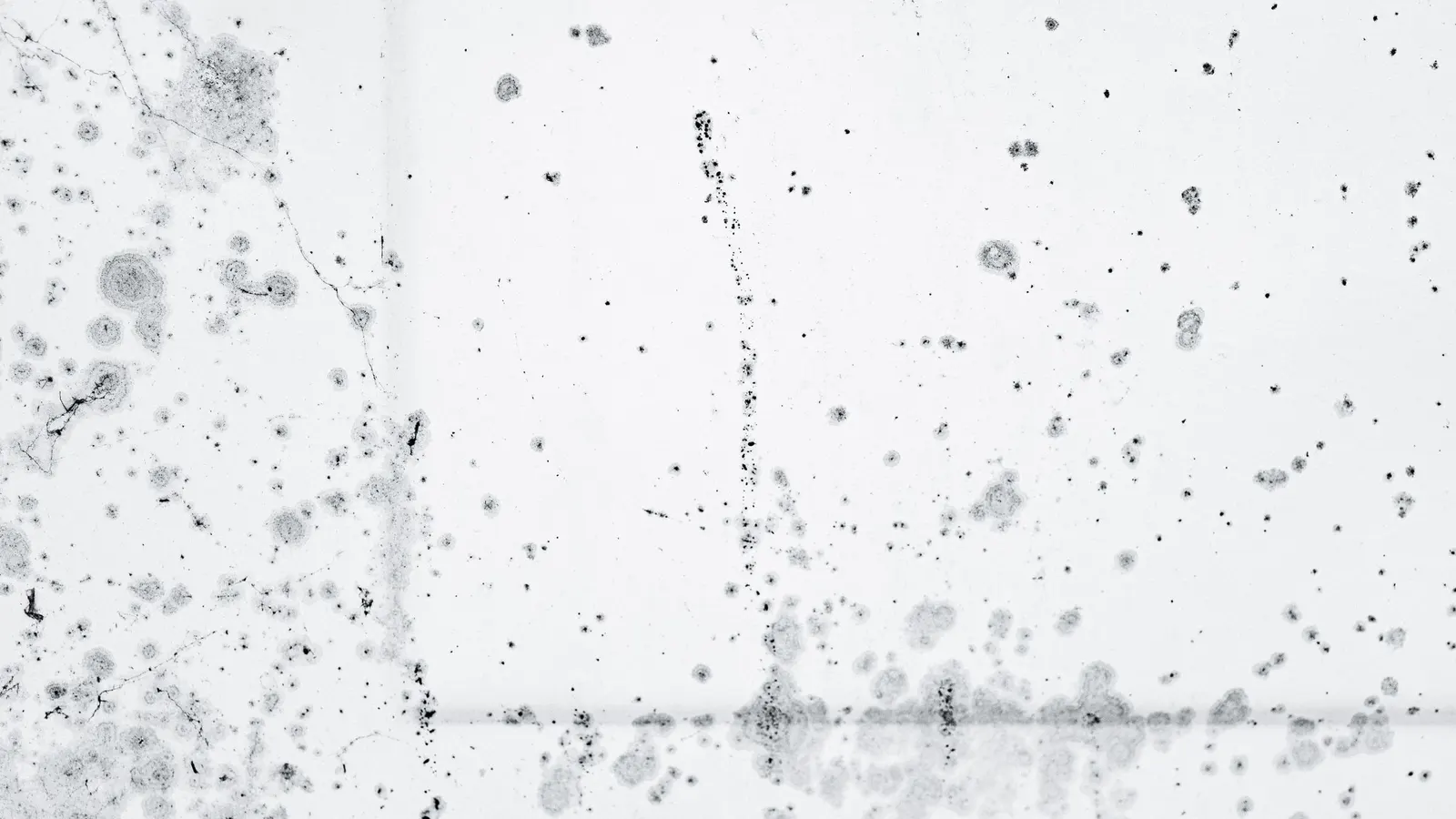
Finding mold in basement spaces is common enough that both EPA and CDC publish homeowner guidance on it, including a clear line for when to stop and call someone. This guide follows that published advice rather than improvising around it, because basement mold removal is one of the few home jobs where the official threshold is explicit and worth respecting.
Last reviewed and updated: October 9, 2026. Written by Jeremy Jarvis.
Key takeaways
- EPA puts the DIY limit at about 10 square feet, roughly a three foot by three foot patch.
- CDC is direct: if you see or smell mold, you should remove it, and fix the moisture problem.
- EPA’s method for hard surfaces is to scrub with detergent and water, then dry completely.
- Sewage or other contaminated water means calling a professional with that specific experience.
- The cleanup is not finished until the water problem is fixed, or it grows back.
Find the moisture first
Cleanup without a moisture fix is temporary. Work out what is wetting the space with the Basement Moisture Diagnosis.
Why mold in basement spaces is so common
CDC sets out the baseline plainly: there is always some mold around, and molds have been on the Earth for millions of years.
It also explains how it arrives. Mold can get in your home through open doors, windows, vents, and heating and air conditioning systems. Mold in the air outside can also be brought indoors on clothing, shoes, bags, and even pets.
So spores are not the variable. EPA makes the same point from the other direction. Molds reproduce by means of tiny spores, and those spores are invisible to the naked eye. They float through outdoor and indoor air, and mold may begin growing indoors when mold spores land on surfaces that are wet.
The variable is water. CDC states that mold will grow where there is moisture, such as around leaks in roofs, windows, or pipes, or where there has been a flood. A basement is cool, often damp, and in contact with the ground. It is also full of porous stored material. That combination is why it so often provides the wet surface.
What the guidance says about health
Whether mold in basement air is harming anyone is a question for health authorities rather than for a home maintenance site. Both agencies are clear about the route.
EPA notes that allergic reactions to mold are common, and advises that if you have health concerns, consult a health professional before starting cleanup. CDC’s practical instruction is direct: if you see or smell mold, you should remove it.
EPA adds the structural case too, noting that if left unchecked, mold eventually can cause structural damage to building materials. So there are two reasons to act, and neither of them requires identifying the species.
The ten square foot rule
EPA publishes a threshold that decides whether this is your job or somebody else’s, and it is worth quoting precisely.
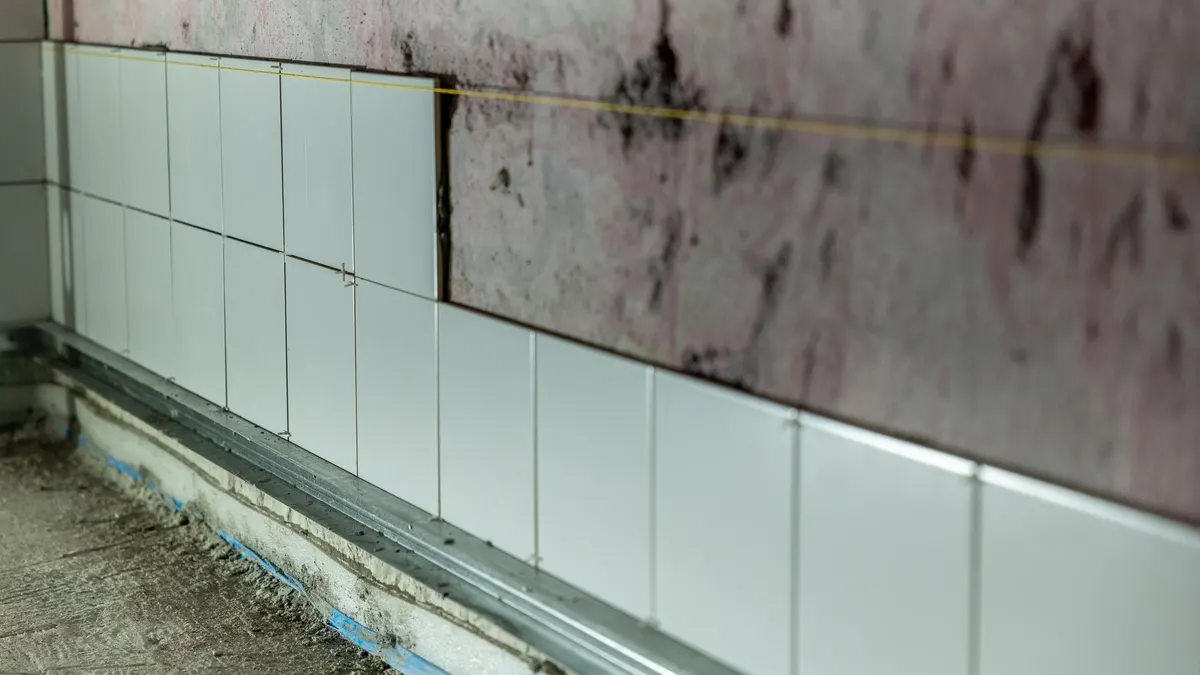
If the moldy area is less than about 10 square feet, which EPA describes as less than roughly a three foot by three foot patch, in most cases you can handle the job yourself following its cleanup tips and techniques.
Beyond that, the advice changes. EPA states that if there has been a lot of water damage, or mold growth covers more than 10 square feet, you should consult its guide on mold remediation in schools and commercial buildings, which is the document it points homeowners to for larger jobs.
| Situation | EPA guidance |
|---|---|
| Less than about 10 square feet | In most cases you can handle it yourself |
| More than 10 square feet | Consult EPA’s remediation guidance |
| A lot of water damage | Consult EPA’s remediation guidance |
| Sewage or contaminated water | Professional with that specific experience |
| Health concerns | Consult a health professional first |
| Possible HVAC contamination | Read EPA’s duct cleaning guidance first |
That last row comes from EPA’s note that if you suspect the heating, ventilation or air conditioning system may be contaminated with mold, you should consult its guide on whether to have the air ducts in your home cleaned before taking further action.
Measuring the area before you decide
Since EPA’s threshold is expressed as an area, it is worth measuring rather than estimating, because people judge this badly in both directions.
Measure the visible growth and work out its area. EPA’s comparison helps here: about 10 square feet is roughly a three foot by three foot patch, which is smaller than most people picture when they hear the number.
Add up separate patches rather than treating each one alone. Three scattered patches of four square feet each total twelve, which is over the line even though no single patch looks alarming.
Then consider what you cannot see. Growth emerging at the base of a wall or around a pipe is often the visible edge of something larger behind the surface. Where the visible area is close to the threshold and there is reason to think more is hidden, treating it as the larger case is the cautious reading.
Photograph and note the measurements before starting. If the job turns out to need a contractor, or an insurance claim follows, that record is worth having and it takes two minutes.
Choosing and checking a contractor
Where the job is beyond the threshold, EPA gives usable selection criteria rather than leaving you to guess.
It advises making sure the contractor has experience cleaning up mold, and checking references. It also advises asking the contractor to follow the recommendations in its remediation guide, along with the guidelines of recognised industry bodies. EPA names these as including the American Conference of Governmental Industrial Hygienists and the Institute of Inspection, Cleaning and Restoration Certification.
EPA also notes that professional cleaners or remediators may use methods not covered in its homeowner guidance, and suggests looking for specialists affiliated with professional organizations. Our mold inspection cost guide covers what assessment and remediation typically cost.
Protective equipment for basement mold removal
Even a small job warrants basic protection, and one detail from EPA is easy to miss.
- Gloves, to avoid skin contact with both mold and cleaning products.
- Goggles that do not have ventilation holes, which EPA recommends specifically.
- A respirator rather than a loose dust mask.
- Clothing you can wash afterwards, or dispose of.
- Ventilation to the outside while you work, rather than into the rest of the house.
The goggles point matters because vented goggles let airborne particles reach the eyes, which defeats the purpose of wearing them at all.

The basement mold removal method
EPA’s method for hard surfaces is simple and specific, which is reassuring given how much conflicting advice exists.
Scrub mold off hard surfaces with detergent and water, and dry completely. Then, if you intend to redecorate, clean up the mold and dry the surfaces before painting.
In practice that means working methodically. Contain the area so you are not spreading spores through the house. Remove and bag porous items that cannot be cleaned. Scrub the hard surfaces. Then dry thoroughly, using fans and a dehumidifier rather than waiting. The drying is what prevents regrowth.
EPA’s wider guidance sets the timescale for anything water-damaged: it is important to dry water-damaged areas and items within 24 to 48 hours to prevent mold growth.
What basement mold removal cannot save
Porosity decides this, and being decisive saves repeating the job.
Hard, non-porous surfaces clean up: concrete, masonry, glass, metal, sealed plastics and finished solid timber. Porous materials generally do not, because the growth extends into the material rather than sitting on it. Carpet and underlay, ceiling tiles, cardboard, insulation, upholstered furniture and water-damaged drywall usually have to go.
Bag porous material before carrying it through the house, and take it straight outside. Photograph anything you may need for an insurance claim before it leaves.
Containing the work so you do not spread it
Disturbing mold releases spores, so a cleanup done carelessly can distribute the problem into rooms that were previously fine. A few precautions keep it contained.
Close the door between the basement and the rest of the house, and seal the gap underneath it with a towel or tape. Where the basement stairs open into a living area, that doorway is the main route and it deserves the attention.
Ventilate the work area directly to the outside rather than into the house. An open basement window with a fan blowing outward creates negative pressure in the space, so air flows into it rather than out of it toward the rest of the home.
Turn off the forced-air heating or cooling while you work. A running system draws air from the basement and distributes it everywhere, which is precisely what you are trying to avoid. This is also the moment to consider EPA’s point about suspected contamination of the system itself.
Bag material as you remove it rather than carrying it loose, and take it straight out through the nearest exterior door. Finally, clean up thoroughly afterwards, including the tools and clothing you used, since both carry spores to wherever they go next.
Bleach, biocides and the usual arguments
Bleach is the default household answer and it is not what EPA’s cleanup instruction says.
EPA’s stated method for hard surfaces is detergent and water, followed by drying completely. EPA also publishes separate guidance covering cleanup and biocides, which is the right place to look before using any chemical treatment.
The practical reason to be sceptical of chemical shortcuts is that none of them address why the surface was wet. A treated surface in a space that is still damp is simply a surface waiting to be recolonised, which brings us to the part that actually matters.
Fixing the moisture is the real job
Every source agrees on this, and it is the point most basement mold removal advice underplays.
EPA states that if mold is a problem in your home, you should clean up the mold promptly and fix the water problem, and that you must have completely fixed the water or moisture problem before the cleanup or remediation can be considered finished. CDC puts it as one instruction: if mold is growing in your home, you need to clean up the mold and fix the moisture problem.
So treat the growth as evidence. Work out whether the moisture is liquid water coming in, or humidity condensing on cold surfaces, because the remedies differ completely. Our condensation guide describes a free test that distinguishes them.
Then act on whichever it is. For liquid water, start outside with gutters and grading, as our waterproofing guide sets out. For humidity, our humidity level guide covers choosing a target and holding it.
Hidden mold in basement cavities
Not all of it is visible, and EPA publishes guidance on hidden mold for that reason.
In a basement the likely places are behind finished walls, under flooring laid over a slab, inside boxed-in service runs, behind stored furniture against an exterior wall, and within wall cavities where a pipe has leaked.
The usual first sign is smell rather than sight, which is why our musty smell guide treats an odour with no visible source as a specific diagnostic problem. CDC’s instruction covers this case explicitly: if you see or smell mold, you should remove it.
Investigating hidden growth means opening things up, which can disturb and spread it. Where a significant area is suspected behind a finished surface, that is a reasonable point to involve someone with the equipment and experience to do it properly.
Keeping mold in basement spaces from returning
Preventing mold in basement spaces is the same short list as moisture control, which is the unifying theme of this whole subject.
- Fix leaks promptly, in roofs, windows and pipes, which is where CDC says growth follows.
- Dry anything water-damaged within the 24 to 48 hour window EPA gives.
- Hold a sensible humidity level year-round rather than seasonally.
- Insulate cold surfaces so condensation has nowhere to form.
- Store belongings in sealed boxes on shelving, not cardboard on the slab.
- Keep furniture and storage away from exterior walls so air can move.
- Vent dryers outside, and cover sump pits.
- Check the basement after heavy rain rather than waiting to smell something.
EPA’s mold course gives the standard to aim at, and it is a realistic one: eliminating all mold and mold spores indoors is virtually impossible, but controlling indoor moisture will control the growth of indoor mold. You are not trying to sterilise a basement. You are trying to keep its surfaces dry, and if you manage that, the rest follows.
Frequently asked questions about mold in basement
How do I get rid of mold in my basement?
For a small area on hard surfaces, EPA’s method is to scrub mold off with detergent and water and dry completely, and to clean up the mold and dry the surfaces before painting. Wear protective equipment, deal with the moisture source at the same time, and discard porous materials that cannot be cleaned. Above all, EPA is clear that the job is not finished until the water or moisture problem has been completely fixed.
When should I call a professional?
EPA gives two clear triggers. If there has been a lot of water damage, or mold growth covers more than about 10 square feet, consult EPA’s guide for larger remediation rather than handling it yourself. And if the water or mold damage was caused by sewage or other contaminated water, call in a professional who has experience cleaning and fixing buildings damaged by contaminated water.
Is mold in a basement dangerous?
CDC notes that there is always some mold around and that molds have been on the Earth for millions of years, so the question is about growth indoors rather than presence. EPA notes that allergic reactions to mold are common, and advises that if you have health concerns you consult a health professional before starting cleanup. That is the right route for a health question rather than a website.
Does bleach kill mold?
EPA’s stated method for hard surfaces is detergent and water rather than bleach, followed by drying completely. EPA also publishes specific guidance on cleanup and biocides, which is worth reading before reaching for any chemical. The more important point is that killing surface growth without fixing the moisture simply resets the clock.
Why does mold keep coming back in the same place?
Because the moisture is still arriving there. CDC states that mold will grow where there is moisture, such as around leaks in roofs, windows or pipes, or where there has been a flood. Recurring growth in one spot is a map of where water is getting in, and it is more useful treated as a clue than as a cleaning failure.
Can I just paint over it?
No. EPA’s instruction is the reverse: clean up the mold and dry the surfaces before painting. Paint applied over mold does not stop the growth underneath, it tends to peel, and it hides the evidence you would have used to find the moisture source.
Sources and how we researched this guide
Research-based, and conservative where health is involved. Cleanup thresholds and methods are quoted from EPA and CDC with the wording they publish. We are not remediation contractors and we do not inspect homes; where the published guidance says to consult a professional or a health professional, this guide says so rather than offering a workaround. Nothing here is medical advice. Found something out of date? Tell us and we will check it against the source.
- EPA: Mold cleanup in your home
- EPA: A brief guide to mold, moisture and your home
- CDC: About mold and health
Keep planning

Written by Jeremy Jarvis
Jeremy Jarvis is the founder and editor of Basement Playbook, where he builds research-based guides and free planning tools for wet basements and crawl spaces: sump pumps and drainage, encapsulation, dehumidification, radon testing and mitigation, foundation cracks and finishing a basement that stays dry. He sets the site's editorial standards, checks every guide against official sources such as EPA radon and mold guidance, CDC, ENERGY STAR, state health departments and manufacturer documentation, and is responsible for corrections. Structural and radon mitigation work is always referred to a licensed engineer or a certified mitigator. Jeremy also founded Eco Nomad Travel, Mind Clarity Hub, SilkHarborTravel, WanderOza Travel, Freedom Road Living, PowerProof Home and Garage Playbook, and he is the author of books on clarity, focus and practical AI, including The Power of Clarity and Digital Clarity.