
Basement dehumidifier filter replacement: Find the correct filter and care method

Quick answer: Start basement dehumidifier filter replacement by matching the complete appliance model and filter code. Wash media only when the matching instructions explicitly permit washing. Replace disposable inserts with the specified part. Keep an unidentified filter dry until the manufacturer confirms its cleaning method. Unplug the appliance before maintenance. Compare the model-specific care examples below with your own filter instructions.
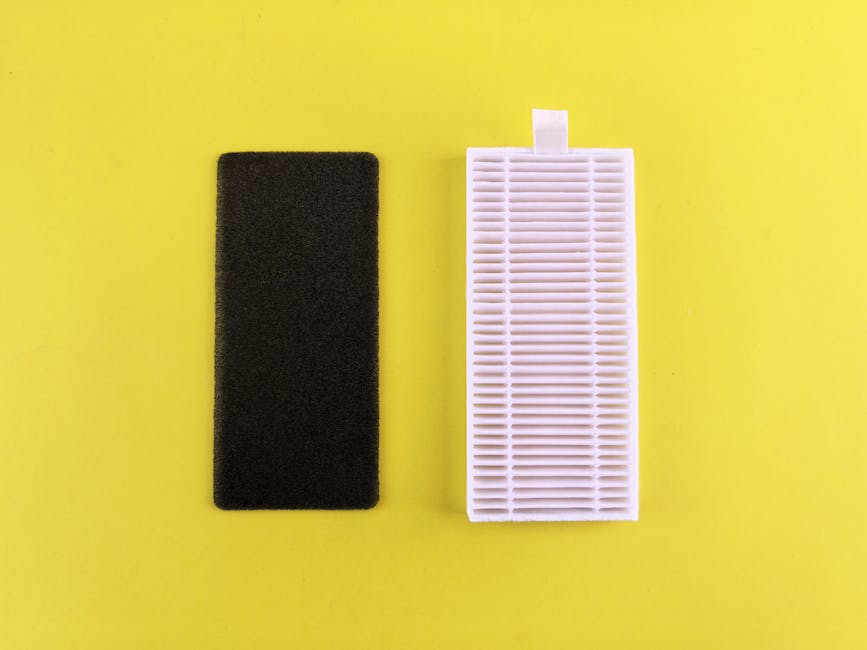
The warm water temperature should not exceed 100°F (40 °C) if the filter is very dirty. [1]
When a white HEPA filter turns dark gray, it’s ready to be disposed of. [2]
Apply these care instructions only when they match the documentation for your own filter. Compare the washing limit and disposal cue as examples of different care routes. Confirm which route applies before opening a package or reaching for water. Separate routine filter care from a wider investigation into persistent dampness.
How this guide was researched
This guide was researched rather than tested. This guide was drafted with AI assistance from the published pages listed under Sources, and each sourced sentence carries a marker that points to the page it came from. This guide does not describe first-hand use, stays or purchases. Pages change, so check the source page before you rely on a figure.
How do you start basement dehumidifier filter replacement?
Find the appliance identification label before searching for parts. Photograph it clearly enough to read every character without guessing. Copy the complete model designation, including any suffix. Keep the serial number beside it when asking the manufacturer for help.
Free download: The Basement Dry-Up Planner
Our 12-page printable planner: your basement today, measure and map, which kind of water you have, a storm log, outside checks, pump and humidity records, radon and crack logs, a budget worksheet and the order of work.
Locate the owner instructions using that complete designation. Check the maintenance section before opening the filter compartment. Compare the illustrated access panel with the appliance in front of you. Stop when the instructions describe a different arrangement.
- Record the appliance model exactly as printed on its label.
- Copy the filter code from the frame when a code is present.
- Photograph the installed position before removing any permitted access cover.
- Identify each removable layer using the matching maintenance instructions.
- Store the approved cleaning method beside the part details.
Use the original paperwork as a cross-check when the appliance label is hard to read. Ask support to identify an unclear character rather than filling it in yourself. Keep similar-looking model names out of your final parts request.
Begin basement dehumidifier filter replacement with a confirmed match, even when the old screen looks familiar. Compare the installed filter with the documented arrangement before assuming it belongs there. Ask about any disagreement between the label, existing part, and manual.
Check that the manual identifies a dehumidifier rather than another appliance with a similar name. Attach the label photograph to your parts request when the printed identification is partly damaged. Request clarification before proceeding.
Match the filter code before buying
Use the appliance model as the starting point for the parts search. Follow the manufacturer’s compatibility details to the specified filter code. Ask for written confirmation when a replacement code differs from the old label. Keep that confirmation with the maintenance notes.
Measure the old frame’s length, width, and thickness after safe removal. Record those measurements without rounding them to a familiar size. Photograph any molded tabs, notches, rails, handles, or seals. Compare those details with the replacement details before ordering.
Use measurements as a cross-check rather than your only reason to choose a part. Reject a candidate when the compatibility details does not identify your appliance. Avoid cutting a frame, adding packing material, or adapting an unrelated insert.
Ask whether the replacement comes as a complete assembly or a separate insert. Confirm which existing pieces to retain before disposing of anything. Request an installation diagram if the packaging description leaves that unclear.
Example Suppose the replacement looks similar, but its filter code differs from the old frame. Photograph the labels and ask for the approved replacement reference. Hold the order until the manufacturer confirms the match. Keep the answer with your basement dehumidifier filter replacement notes.
Ask whether a discontinued code has an approved successor before selecting an alternative. Request the complete replacement identification rather than a general description. Confirm whether the documented part fits the existing carrier or replaces that assembly.
Which media should you wash or replace?
The MeacoDry ABC air filter should not have to be replaced, except for wear and tear. [3]
Compare that reusable-filter instruction with the disposal route before deciding what your own media needs.
Read the care instructions for each layer separately before deciding what to clean. Look for an explicit washing instruction, a replacement instruction, or a restriction on wet cleaning. Follow the stated route even when another filter looks similar.
Use the worksheet below to organize the decision. Leave uncertain media dry while waiting for clarification. Avoid deciding from color, texture, or a sales photograph alone.
| What the instructions say | What to do | What to confirm |
|---|---|---|
| Washable media | Follow the approved washing procedure. | Check the cleaner, water temperature, and drying directions. |
| Disposable media | Install the specified replacement. | Match the filter code and installation direction. |
| Surface cleaning only | Use only the stated cleaning method. | Check whether wet cleaning is prohibited. |
| Damaged frame or torn media | Request replacement advice before reuse. | Confirm the correct complete part. |
| Unidentified insert | Pause cleaning and ordering. | Ask the manufacturer to identify the material. |
Separate a washable carrier from disposable media only when the instructions describe that step. Leave bonded layers together unless the documented procedure says otherwise. Keep the reusable frame when the replacement instructions call for retaining it.
Choose the care route for basement dehumidifier filter replacement before choosing a cleaning product. Ask about damaged, distorted, or shedding material instead of trying a stronger wash.
Follow the approved cleaning method
Prepare the cleaning area after confirming that the filter is washable. Keep the appliance and its electrical parts away from the washing area. Follow the documented removal sequence without opening the main cabinet. Support the frame while handling delicate media.
Use only the cleaning tools and products named in the matching instructions. Ask before adding detergent when the directions mention water alone. Avoid borrowing a cleaning recipe from the water-tank instructions. Keep disinfectants, solvents, and scented sprays out of the process unless specifically approved.
Keep the filter out until it is completely dry. Choose a clean drying location after rinsing. Leave the appliance unplugged while the filter dries. Inspect the frame for retained moisture before refitting it.
Check the cleaned media for tears, loose edges, or distortion. Photograph suspicious areas when requesting advice. Avoid stretching the mesh or forcing a bent frame straight. Set aside a damaged filter until the replacement question is resolved.
Read the installation directions again before sliding the filter into place. Match any orientation marking with the documented position. Stop if the frame catches or the cover resists closing. Ask for help rather than forcing the assembly.
Plan time for drying when organizing the task. Avoid using a heater, hair dryer, or dishwasher unless the care instructions specifically approve it. Check recessed corners and the surrounding frame before deciding that drying is complete.
What should you measure before changing the room?
Measure room humidity and temperature before moving the appliance, rearranging storage, or planning an enclosure. Record the appliance setting beside the actual room reading. Use a separate humidity meter when you want an independent room observation. Follow its placement instructions when choosing the measuring spot.
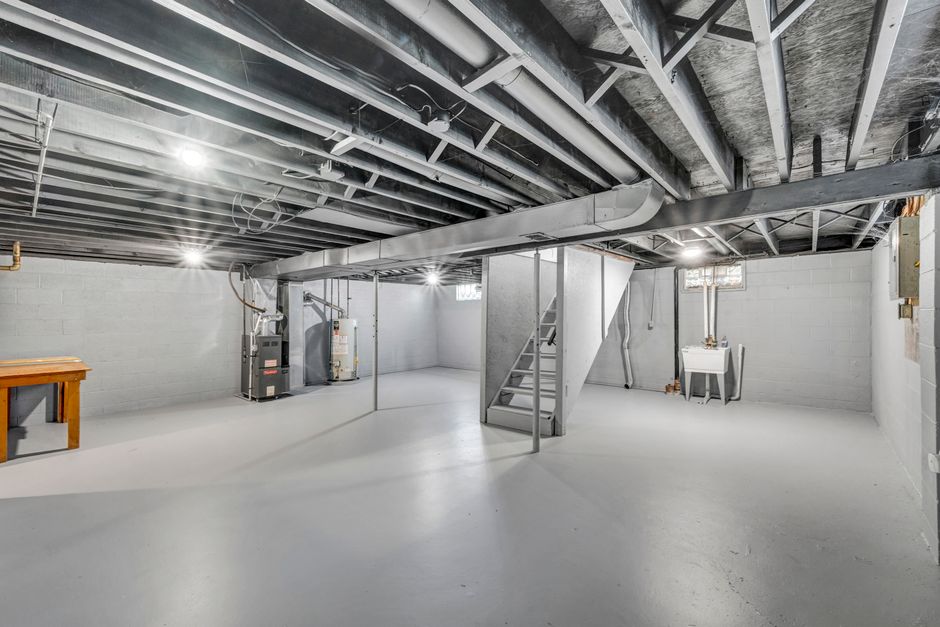
The optimum RH level is often considered between 30% and 50% for a building. [4]
Discuss an appropriate target when the basement has persistent condensation or unusual conditions. Keep the initial reading as a reference before changing the setup.
Measure room length, width, and ceiling height when reconsidering equipment placement or capacity. Sketch adjoining spaces and note whether connecting doors were open during each observation. Record the distance between the appliance and nearby walls or stored items. Compare that spacing with the exact model instructions.
Measure the access space needed to withdraw the filter before building shelving around the appliance. Check the path for removing the bucket or reaching the drain connection. Leave those service areas accessible when revising the layout.
Separate basement dehumidifier filter replacement from a capacity decision until you have those observations. Use the basement dehumidifier sizing guide when reviewing room conditions. Keep any equipment change tied to the actual space and its moisture problem.
Draw the proposed storage arrangement on the room sketch before moving furniture. Mark the filter access side and drain route. Ask an installer to review the plan when ductwork or a fixed installation is involved.
Record a baseline before moving anything
Write down the starting conditions before beginning filter work. Keep the same measuring location for later comparisons whenever practical. Label observations clearly when weather, laundry, or room use changes. Avoid judging the filter from an isolated reading.
- Record room humidity and temperature before changing the appliance settings.
- Note whether the unit is running, resting, or displaying an alert.
- Describe the filter condition before cleaning or replacement.
- Photograph condensation, damp patches, or visible water entry.
- Record door positions, recent laundry activity, and noticeable weather changes.
- Sketch the intended appliance position before rearranging the room.
Check the same observations after completing the approved maintenance. Keep the settings steady during the comparison unless the instructions direct a change. Mark any change clearly instead of treating unlike conditions as interchangeable.
Example Suppose the room still feels damp after the filter work. Record the room reading, appliance setting, and any visible water. Compare those observations with the earlier notes before moving storage or changing equipment. Ask for advice if the dampness persists.
Use the baseline to describe the problem during a service request. Explain what changed after basement dehumidifier filter replacement without claiming a result you did not observe. Keep photographs and written notes together for the person assessing the appliance or room.
Describe the original complaint in plain words before comparing readings. Distinguish a persistent smell from visible water or a recurring appliance alert. Track the complaint separately from the appearance of the cleaned filter.
Plan basement dehumidifier filter replacement safely
Read the complete maintenance procedure before touching the filter compartment. Choose a dry working area and keep access clear. Stop before handling electrical equipment when standing water or a wet connection is present. Ask a qualified professional to assess an unsafe setup.
- Follow the shutdown instructions.
- Use the designated filter access.
- Photograph the installed arrangement before removing the old filter.
- Handle the frame carefully while checking its labels and condition.
- Clean approved washable media or prepare the specified replacement.
- Reinstall the assembly in the documented direction before closing the cover.
- Follow the restart instructions after completing the physical checks.
Keep drainage hoses separate from electrical cords and connections. Review the hose route when returning the appliance to its position. Check for pinched tubing or an awkward path across the working area.
Keep the old filter nearby until the part match has been confirmed. Avoid leaving removed media among clean supplies. Follow the disposal instructions for the media when the work is complete.
Finish basement dehumidifier filter replacement with a physical inspection before restoring power. Ask a qualified professional about internal repairs. Keep the task within the maintenance steps written for the owner.
Keep children and pets away from the working area while the cover is open. Place removed components on a clean surface. Follow the handling instructions for used media before carrying it through finished rooms.
Check the fit before restarting
Inspect the replacement before fitting it into the appliance. Compare the code on the package with the confirmed parts details. Check for shipping damage, a distorted frame, or torn media. Resolve any mismatch before continuing.
Remove packaging only as the installation instructions direct. Look for an airflow arrow or orientation label when the instructions mention one. Align the part with the guides before applying gentle pressure. Stop when the filter does not sit as shown.
Confirm that the cover closes normally without bending the frame. Check the bucket position when the procedure involves removing it. Inspect the drain connection after any movement of the appliance. Follow the restart instructions.
Read the alert-reset instructions before pressing the controls. Perform a reset after the maintenance step it refers to. Record an unfamiliar message rather than repeatedly clearing it. Ask support about an alert that returns after the approved procedure.
Check operation with the appliance closed. Stop use when you notice smoke, scorching, a burning smell, or electrical damage. Arrange qualified service instead of continuing a trial run.
Compare the room observations after basement dehumidifier filter replacement under similar conditions. Report persistent trouble with the model details and maintenance notes. Avoid opening the cabinet to investigate a problem beyond the owner instructions.
Keep the specified filter installed before restarting. Avoid running the appliance with the filter removed as a troubleshooting shortcut.
What calls for model-specific or professional advice?
Contact the manufacturer when the model label is unreadable, the filter code conflicts, or the media cannot be identified. Ask about any replacement that needs trimming, packing, or a modified cover. Pause when the stated cleaning method differs from the instructions supplied with the part.
Request appliance service for repeated alerts, unusual operation, or trouble that persists after approved maintenance. Describe the symptom before suggesting a cause. Send the model details and clear photographs of the accessible parts.
Insufficient air flow could be due to a clogged filter or duct obstruction. [5]
Record the exact alert before asking which service procedure applies.
Moisture control is the key to mold control. [6]
Ask an experienced professional about suspected hidden mold. Leave suspect concealed material undisturbed while arranging advice. Avoid treating a clean filter as permission to open a moldy wall.
Ask a qualified professional about structural concerns. Use a qualified radon professional for radon testing or mitigation questions. Keep those decisions separate from the filter buy.
Review the moisture and air guidance when organizing wider basement concerns. Photograph visible dampness and note when it appears. Discuss the water source before planning finishes over a persistently wet area.
Describe basement dehumidifier filter replacement as completed maintenance when requesting help. Avoid presenting it as proof that the building problem has been corrected. Ask what extra observation or inspection would answer the remaining question.
Keep a useful maintenance record
The filter may become clogged with dirt and dust particles when used regularly. [7]
Set inspection reminders using the maintenance instructions for your appliance. Review the condition when the room becomes unusually dusty. Record what you find before deciding on further cleaning.
Keep the model, filter code, cleaning method, and approved replacement reference in the same record. Add the maintenance date when the work is done. Store photographs of the frame and its installed direction. Retain the manufacturer’s answer when a code has changed.
Write down whether you cleaned the existing media or installed a new insert. Describe any damage and the reason for replacement. Note the room readings before and after the work without claiming a guaranteed improvement.
Keep spare media in its original packaging until needed. Follow the package storage directions and protect the label from dampness. Check the code again before using an old spare. Ask for confirmation when the appliance or filter assembly has changed.
Example Imagine preparing for the next maintenance visit after a previous replacement. Open the saved part confirmation and compare it with the appliance label. Check the spare package before removing the installed filter. Update your basement dehumidifier filter replacement record after completing the approved work.
Share the record with anyone else who handles appliance maintenance. Mark an unresolved compatibility question clearly before leaving the task for someone else. Keep the current instructions beside the record rather than relying on memory.
Review record
Last reviewed on .
Frequently asked questions
Can basement dehumidifier filter replacement mean cleaning?
Choose cleaning when the exact filter instructions identify washable, reusable media. Choose replacement when they specify a disposable insert or direct replacement for the condition you found. Confirm the wording before buying anything. Keep a reusable carrier when the instructions tell you to retain it. Ask support to explain an unclear reference to replacing a filter after washing. Describe whether you mean putting the cleaned part back or installing a new part.
Can I choose a replacement by measuring the old filter?
Use measurements to cross-check a confirmed part match. Start with the complete appliance model and the approved filter code. Compare the frame depth, tabs, and installation direction before ordering. Ask for written compatibility confirmation when the code differs. Avoid modifying the appliance to accommodate a similar-looking insert. Keep the existing part until you have resolved the match and the disposal instructions. Photograph a distorted frame instead of trusting its measurements alone.
Should I wash a pleated or unfamiliar insert?
Keep unfamiliar media dry until you find its exact care instructions. Look for explicit permission to wash the insert itself. Avoid applying the outer screen’s cleaning method to a separate inner layer. Ask the manufacturer to identify an unmarked part using clear photographs and the appliance model. Request replacement advice if you already soaked media without confirming that step. Leave the appliance off while resolving whether the filter is suitable for reuse.
What should I do if the basement still feels damp?
Compare room humidity, temperature, appliance settings, and visible moisture with your earlier notes. Check the documented placement, operating conditions, and drainage instructions. Record any recurring alert before contacting appliance support. Seek qualified help for persistent water entry, structural concerns, or suspected concealed mold. Keep proposed room changes on hold until you understand the unresolved problem. Use the observations to ask a focused question instead of assuming another filter buy will settle it.
Sources
- How can I clean the dehumidifiers’ air filter? FAQ | DeLonghi US ()
- How to use a dehumidifier and where best to put it around the house – Meaco Blog ()
- 4 steps to cleaning your MeacoDry ABC dehumidifier filter – Meaco Blog ()
- Dehumidifiers | ENERGY STAR ()
- Alerts ()
- A Brief Guide to Mold, Moisture and Your Home | US EPA ()
- Dehumidifier Help Centre – Meaco (U.K.) Limited ()
Keep planning

Written by Jeremy Jarvis
Jeremy Jarvis is the founder and editor of Basement Playbook, where he builds research-based guides and free planning tools for wet basements and crawl spaces: sump pumps and drainage, encapsulation, dehumidification, radon testing and mitigation, foundation cracks and finishing a basement that stays dry. He sets the site's editorial standards, checks every guide against official sources such as EPA radon and mold guidance, CDC, ENERGY STAR, state health departments and manufacturer documentation, and is responsible for corrections. Structural and radon mitigation work is always referred to a licensed engineer or a certified mitigator. Jeremy also founded Eco Nomad Travel, Mind Clarity Hub, SilkHarborTravel, WanderOza Travel, Freedom Road Living, PowerProof Home and Garage Playbook, and he is the author of books on clarity, focus and practical AI, including The Power of Clarity and Digital Clarity.
Questions and comments