
Radon Mitigation System Cost: What Drives the Price
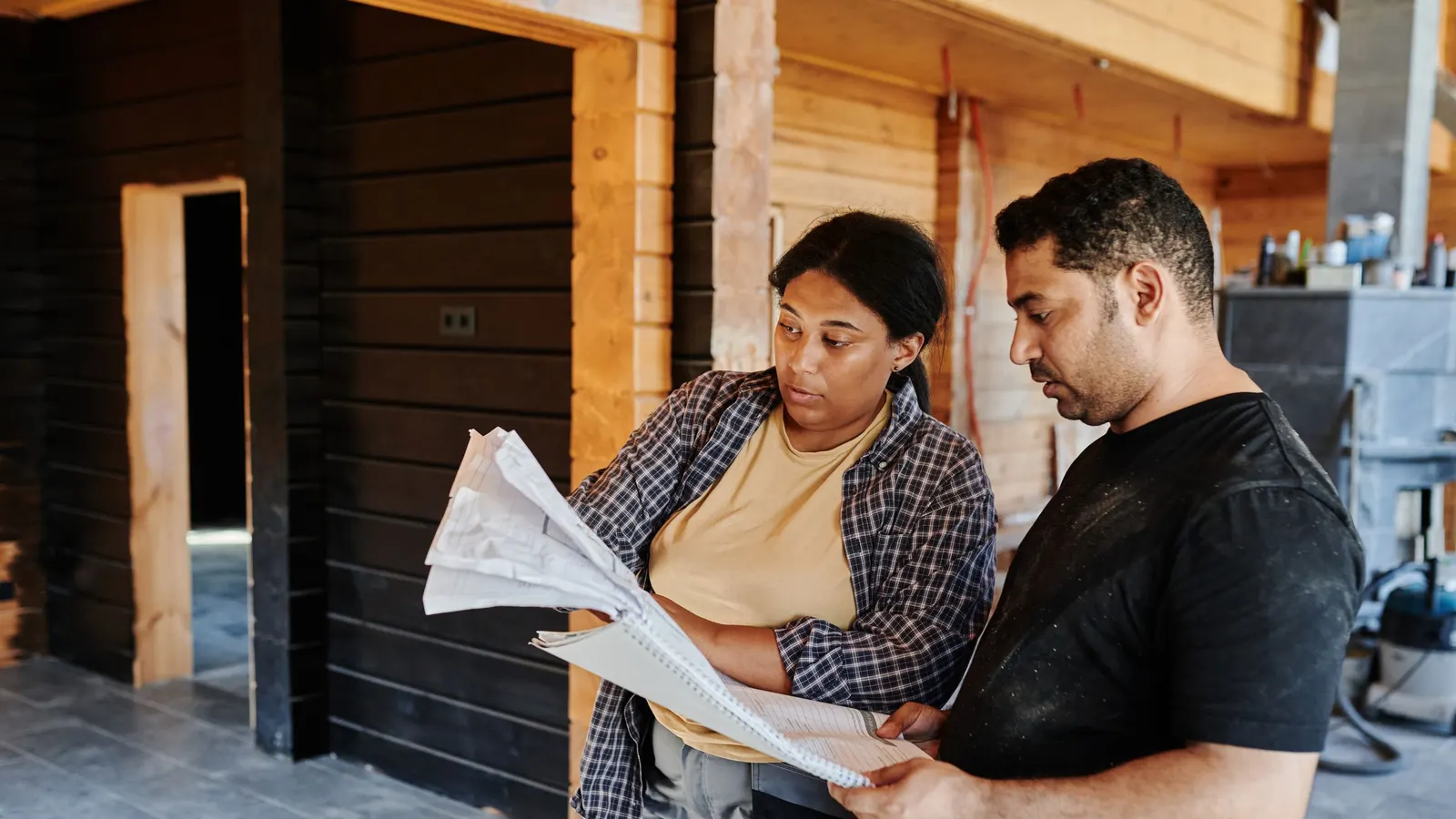
The honest answer on radon mitigation system cost is that it depends on what is underneath your floor, and that published averages hide more than they reveal. This guide explains what moves a quote, what should appear on it line by line, and why several widely cited radon mitigation cost figures are not comparing what you think they are comparing.
Last reviewed and updated: October 7, 2026. Written by Jeremy Jarvis.
Key takeaways
- Published radon cost ranges often bundle testing and mitigation together, so read the scope before comparing them with a quote.
- Fixr, quoted October 2026, gives $650 to $2,850 with a $1,700 average for testing plus passive depressurization, and a $5,900 high end for extended testing plus active suction and sealing.
- Foundation type and the number of suction points move the price more than anything else.
- A quote without a post-installation test is incomplete, because the reduction is the thing you are buying.
- CDC advises contacting a qualified professional once your level is at or above 4 pCi/L.
Read the scope before the number
Many “radon testing cost” pages quote a range that already includes mitigation. Compare like with like, or every quote you receive will look wrong.
What published radon mitigation cost figures actually include
This is the trap, so it is worth being precise about one source rather than vague about several.
Fixr, quoted October 2026, publishes a national average range of $650 to $2,850, with most homeowners paying $1,700. Read the small print, though. That figure covers two things at once. It includes professional continuous alpha particle testing for 48 hours with analysis. It also includes passive depressurization to mitigate the radon.
The same page puts the low end at $600, for a passive charcoal test with professional analysis and lower-level pressurization. It puts the high end at $5,900. That covers 90 days of continuous active digital testing with professional analysis, plus active suction and basement sealing.
So the headline range is a testing-and-mitigation package, not the price of a mitigation system. Many pages quote it as a radon mitigation cost anyway. Doing so overstates what testing costs. It also understates what a complex installation costs.
Collect local itemised quotes and treat national figures as context only.
What moves your radon mitigation system cost
| Factor | Effect on price | Why |
|---|---|---|
| Number of suction points | Largest single driver | Each point means more coring, pipe and labour |
| Sub-slab material | Large | Clean gravel spreads suction; clay does not |
| Foundation type | Large | Crawl spaces need a sealed membrane before anything else |
| Pipe routing | Moderate | Interior routes are tidier and more labour; exterior routes are cheaper |
| Electrical work | Moderate | A new circuit or an attic junction box adds a trade |
| Sealing required | Moderate | Perimeter cracks, penetrations and an open sump pit all need attention |
| Finished basement | Moderate | Pipework has to be hidden and finishes made good |
| Testing included | Small but important | Pre and post tests are cheap and are what prove the result |
Notice that none of these are about brand or fan model. The fan is rarely the expensive part.
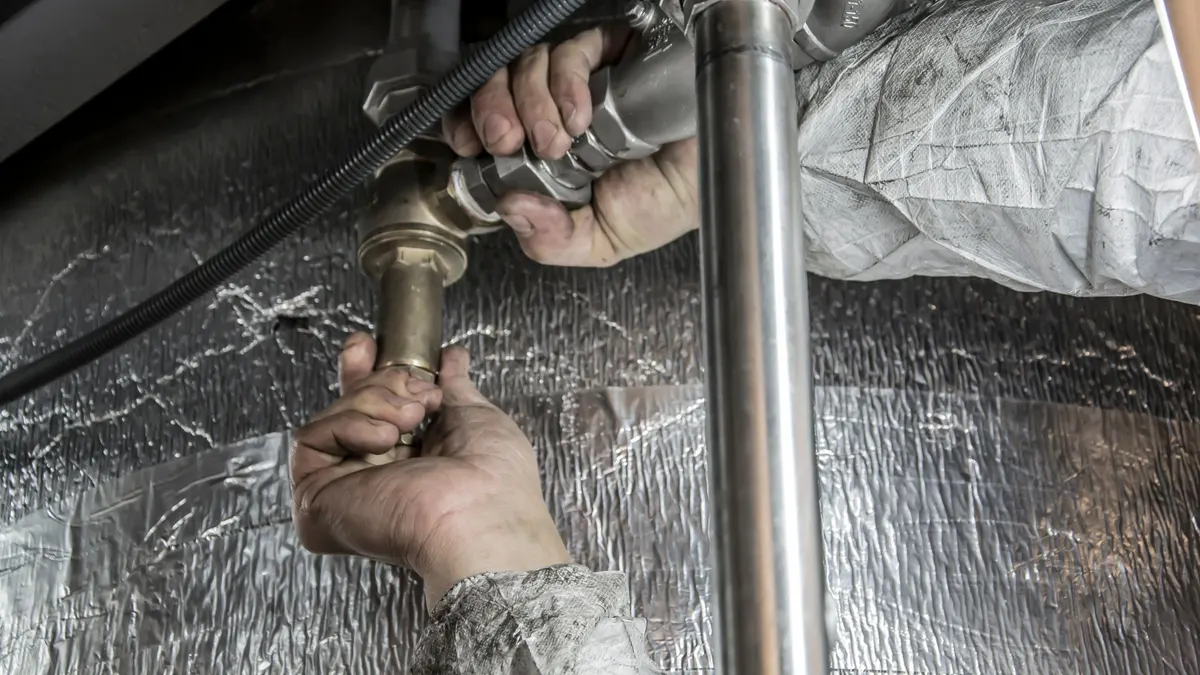
Foundation type sets the radon mitigation cost floor
A simple poured slab over gravel is the easy case. One suction point, a clean pipe route and a straightforward seal.
A crawl space is different work. The ground has to be covered with a sealed membrane first, and the system then draws from beneath it. In effect you are building the slab the house never had, which is why crawl space quotes often sit above slab quotes.
Mixed foundations are the expensive case. A house with an addition, a split level or a partial basement behaves like several separate slabs. Each poured section may then need its own suction point.
Consequently, two houses of the same square footage on the same street can differ substantially in price, and neither contractor is wrong.
What a complete radon mitigation quote looks like
Ask for these as separate lines rather than one lump figure.
- Diagnostic visit and communication testing, to establish how far suction travels.
- Number of suction points, with locations named.
- Coring, excavation of the sub-slab pit and sealing of the pipe into the slab.
- Pipe route, materials and the discharge point above the roofline.
- Fan model, wattage and warranty.
- Electrical work, including any new circuit or attic junction box.
- Sealing of accessible cracks, the perimeter joint, penetrations and the sump lid.
- Manometer, fitted somewhere visible.
- Post-installation test, with the result supplied in writing.
- Warranty terms, and whether a guaranteed level is offered.
If a quote is a single number with no breakdown, you cannot compare it with anything. Ask for the itemisation before you compare prices.
The line people forget: testing before and after
Testing is the cheapest part of the whole project and the only part that proves the rest worked.
Before the work, confirm the high reading with a second test. Mitigation is a four-figure decision. A single short-term result taken during a cold snap can read high. Our radon test kit guide covers running a confirmation test properly.
After the work, retest once the system has run long enough to settle. Compare the new figure with EPA’s 4 pCi/L action level, with the 2 to 4 pCi/L consider-fixing band, and with the national average indoor level of about 1.3 pCi/L.
Without that second measurement you have bought a pipe and a fan. With it, you have bought a reduction.

Comparing radon mitigation system cost quotes
Three quotes is the usual advice, and it only works if they describe the same job.
- Line up the suction point counts first; a one-point and a three-point quote are different projects.
- Check whether each includes the post-installation test, and add it where it is missing.
- Compare routing: an exterior run is normally cheaper than an interior one, so a price gap may just be routing.
- Ask whether electrical work is included or subcontracted to you.
- Check what level, if any, the contractor guarantees, and what happens if it is not reached.
- Confirm certification by your state or a national programme, and ask for the certification number.
Where one quote is far below the others, the usual explanation is scope rather than generosity.
How the suction point count drives the bill
If you only understand one thing about radon mitigation system cost, make it this. The number of suction points is the single biggest lever on the price.
Each suction point is its own small project. The crew cores through the slab, digs out material beneath it, seals a pipe into the hole and connects it to the manifold. More points mean more coring, more pipe, more sealing and more labour.
What decides the count is not house size. It is how freely air moves under the slab. A contractor establishes this with communication testing: they create suction at a test hole and measure how far the pressure change travels.
Where the slab sits on clean coarse gravel, that influence can reach a long way. One point may cover the whole footprint. Where the slab was poured onto compacted clay or fill, suction may die within a few feet.
This is why a diagnostic visit is worth paying for. A quote produced without one is a guess, and guesses on this variable are expensive in both directions.
Interior or exterior routing
Routing is the second real lever, and it is partly an aesthetic decision you control.
An interior route carries the pipe up through the house, often inside a closet, a utility space or the garage, then out through the roof. It looks tidy from the street. It also keeps the fan inside conditioned space, which some installers prefer in very cold climates.
An exterior route exits low through the rim joist and runs up an outside wall to above the eaves. It is usually cheaper, because the crew is not opening up finished rooms. Servicing the fan is easier too.
Neither is the correct answer. However, a price difference between two quotes is often just this choice, so check it before concluding one contractor is dearer.
What a finished basement adds
Finishes change the job. A bare block basement lets the crew work directly on the walls and slab. A finished one does not.
Expect additional cost where pipework must be concealed inside framing, where drywall has to be opened and made good, or where flooring must be lifted to reach a suction point. Sealing also gets harder, because the perimeter crack may be behind a finished wall.
In addition, a finished basement is usually occupied space. That raises the stakes on getting the level down, because the exposure hours are higher than in a storage cellar.
If you are planning to finish a basement, test and mitigate first. Doing the work in that order is materially cheaper than retrofitting through new finishes.
Warranties and guaranteed levels
Ask two separate questions about any warranty.
First, what is covered on the hardware? Fans carry a manufacturer warranty, and the installer may add their own labour period on top.
Second, and more importantly, does the contractor guarantee a radon level? Some will commit in writing to bringing the home below a stated figure, and to returning at their own cost if the post-installation test misses it.
A guaranteed level changes what you are buying. Without one, a quote covers equipment and labour. With one, it covers the outcome. That distinction is worth more than a modest price difference between two otherwise similar bids.
Get the guarantee in writing, with the test method and the timeframe named.
Running cost, and the cost of doing nothing
The fan runs continuously, so there is a small ongoing cost. Rather than quoting a generic figure, ask the installer for the wattage of the specific fan and apply your own electricity rate. That arithmetic is honest; a national average is not.
Against that sits the cost of leaving it. CDC advises contacting a qualified professional to install a radon reduction system if your level is at or above 4 pCi/L, and states there is no known safe level of radon. Radon is also the second leading cause of lung cancer after smoking.
That is the trade-off: a one-off installation and a modest running cost, against an exposure that continues every hour the household is at home.
Budgeting without a quote in hand
Sometimes you need a planning figure before any contractor has visited. Perhaps you are weighing an offer on a house, or setting aside money for next year.
In that situation, do not pin your budget to a single national average. Instead, build a range from the two variables that matter most, then widen it.
Start with foundation type. A single poured slab is the cheap end of the radon mitigation system cost range. Crawl spaces needing a sealed membrane sit higher. Mixed or multi-level foundations sit higher still, because several sections may each need treating.
Then consider access. An unfinished basement with exposed walls keeps labour down. Finished rooms, or a route that must run through living space, push the radon mitigation system cost upward.
Finally, add the items people forget: confirmation testing before the work, electrical work if no suitable circuit exists, and the post-installation test. None are large individually, and together they are not trivial.
Treat the result as a planning band rather than a price. The real radon mitigation system cost arrives after a diagnostic visit, and that visit is the first thing worth paying for.
A quick sanity check on any quote
- Suction points: is the number stated, with an explanation of how it was reached?
- Fan: are the model and the wattage both named?
- Post-installation test: is it included, with the result supplied in writing?
- Discharge: where does the pipe terminate, and is that above the roofline?
- Sealing: is the work listed, including the sump lid if you have a pit?
- Certification: is there a number you can check with your state or the certifying body?
Six yes answers mean you can compare that quote with another on price. Any no answer means you are not yet comparing like with like.
Where you can cut radon mitigation cost, and where you cannot
There are legitimate savings, and there are false economies.
Reasonable savings include choosing an exterior pipe route, scheduling outside peak season, and handling cosmetic making-good yourself after the crew leaves. Doing your own confirmation testing with a kit rather than paying for professional measurement is also sensible.
False economies include dropping the diagnostic visit, reducing the number of suction points to hit a budget, skipping sealing, and leaving out the post-installation test. Each of those saves money by removing the part that makes the system work or the part that proves it did.
Once you have a figure you trust, our guide to how a radon mitigation system works explains what the crew will actually be doing, and our guide to radon levels helps you judge the result afterwards.
Frequently asked questions about radon mitigation system cost
How much does radon mitigation cost?
It depends mostly on your foundation and how many suction points the slab needs. Published ranges vary widely and often include testing. Fixr, quoted October 2026, gives a national average range of $650 to $2,850 with most homeowners paying $1,700, but that figure covers professional continuous testing plus passive depressurization, not the fix alone. Collect at least three itemised local quotes.
Why are radon quotes so different for similar houses?
Because what is under the slab differs. A house built over clean coarse gravel can often be treated from one suction point, while a slab poured onto clay may need several to reach the whole footprint. Pipe routing, electrical work and how much sealing is required then add to that.
What should be included in a radon mitigation quote?
A diagnostic visit, the number and location of suction points, the pipe route and discharge point, the fan model, sealing of accessible cracks and penetrations, a manometer, any electrical work, and a post-installation test. If the post-installation test is missing, ask for it to be added.
Is radon mitigation worth it?
That is your call, but the framing matters. EPA recommends fixing at 4 pCi/L or above, CDC says there is no known safe level, and the work is a one-off cost against an ongoing exposure. Weigh it against how many hours a day your household spends at that level.
What does a radon system cost to run?
The fan runs continuously, so the running cost is the fan wattage multiplied by your electricity rate. Ask the installer for the wattage of the specific fan they propose, then work it out at your own tariff rather than relying on a generic figure.
Does a cheaper quote mean worse work?
Not necessarily, but find out why it is cheaper. A lower price that reflects an easy single-point installation on good gravel is fine. A lower price that drops the diagnostic visit, the sealing or the post-installation test is not a saving.
Sources and how we researched this guide
This guide is research-based. We did not commission radon work for this article. The cost figures are quoted from Fixr with the date and the exact scope of the quote named, because that page bundles testing and mitigation into one range. Levels and health statements come from EPA and CDC. Mitigation design and installation are work for a certified contractor. Found something out of date? Tell us and we will check it against the source.
- Fixr: Radon testing cost
- CDC: Reducing radon levels in your home
- EPA: What is EPA’s action level for radon and what does it mean?
Keep planning
- Bowing Basement Wall: Causes, Risk and Repair Options
- Foundation Crack Repair Cost: By Method and Severity
- Foundation Crack Repair: Which Cracks Matter and Why
- Submersible vs Pedestal Sump Pump: Which Suits Your Pit
Go deeper: Wet Basements & Drainage hub · Basement Dry-Up Plan Builder

Written by Jeremy Jarvis
Jeremy Jarvis is the founder and editor of Basement Playbook, where he builds research-based guides and free planning tools for wet basements and crawl spaces: sump pumps and drainage, encapsulation, dehumidification, radon testing and mitigation, foundation cracks and finishing a basement that stays dry. He sets the site's editorial standards, checks every guide against official sources such as EPA radon and mold guidance, CDC, ENERGY STAR, state health departments and manufacturer documentation, and is responsible for corrections. Structural and radon mitigation work is always referred to a licensed engineer or a certified mitigator. Jeremy also founded Eco Nomad Travel, Mind Clarity Hub, SilkHarborTravel, WanderOza Travel, Freedom Road Living, PowerProof Home and Garage Playbook, and he is the author of books on clarity, focus and practical AI, including The Power of Clarity and Digital Clarity.