
Exterior Foundation Waterproofing: Cost and When It Is Worth It
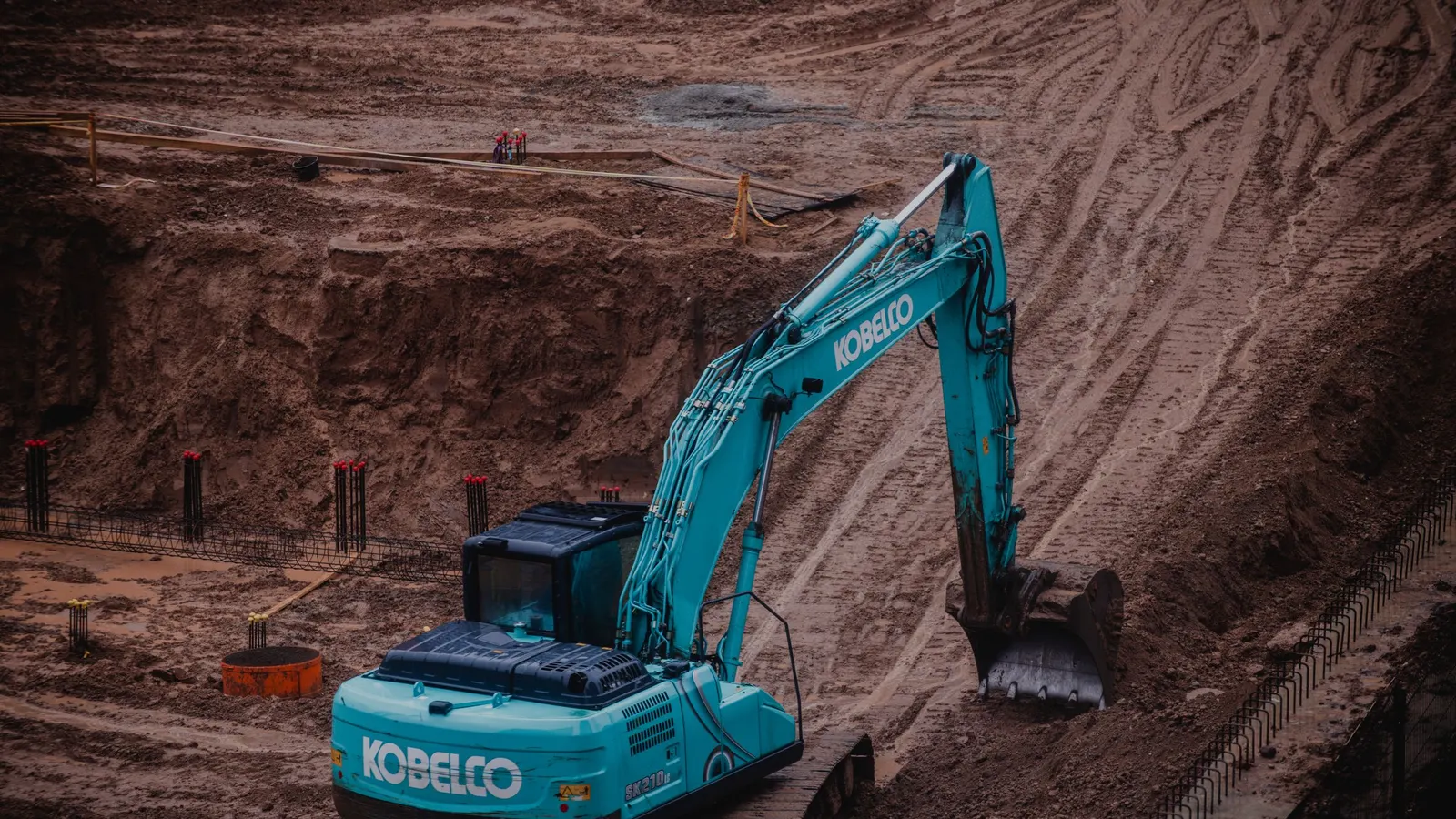
Exterior foundation waterproofing is the most thorough answer to a wet basement and the most disruptive. It means digging the soil away from the foundation, treating the wall from outside, and backfilling. Consequently exterior basement waterproofing is also the most expensive option, and deciding whether it is the right one is largely a question of what you need the work to achieve.
Last reviewed and updated: October 9, 2026. Written by Jeremy Jarvis.
Key takeaways
- Fixr states that waterproofing from the outside costs more because the methods are more likely to involve excavation, which drives labor costs significantly higher.
- Fixr also states that exterior methods are more effective than reactive methods on the interior.
- Whole-basement waterproofing averages $5,000 per Fixr, with most homeowners paying $3,000 to $10,000.
- Access decides much of the price: Fixr notes accessibility to exterior and interior walls affects the cost.
- Exterior work stops water reaching the wall; interior work manages water that has already arrived.
Do the cheap work first
Grading and downspouts reduce the water load and shrink every quote below them. Our waterproofing guide sets out that order.
What exterior foundation waterproofing involves
A complete exterior treatment follows a predictable sequence, and knowing it makes quotes readable.
- Excavate down the foundation wall, typically to footing level.
- Clean the wall face and let it dry.
- Repair cracks, tie holes and any damaged masonry.
- Apply a waterproof membrane or coating across the wall.
- Fit a drainage board or dimple mat over the membrane.
- Lay a perforated footing drain in washed stone at the base.
- Backfill, ideally with free-draining material rather than the clay that came out.
- Reinstate the surface, including any landscaping or paving disturbed.
Notice how few of those steps are the membrane. Most of the work, and most of the cost, is moving soil and putting things back.
Why it costs more than working inside
Fixr is direct about the mechanism: waterproofing basement walls from the outside costs more because the methods are more likely to involve excavation, which drives labor costs significantly higher.
That single sentence explains the whole price difference. Materials for an exterior system are not dramatically more expensive than for an interior one; the hours are.
Fixr also notes that most pros charge an average of $200 per hour, which is worth holding in mind when a quote is presented as a package. A job that needs a machine, an operator and a crew for several days accumulates hours quickly.
How it compares with interior methods
The two approaches solve different halves of the problem, which is why the argument between their advocates never resolves.
| Exterior | Interior | |
|---|---|---|
| What it does | Keeps water off the wall | Collects water that reached the wall |
| Effectiveness | More effective, per Fixr | Reactive; manages consequences |
| Cost | Upper end of the range | More affordable |
| Disruption outside | Significant; landscaping affected | None |
| Disruption inside | Minimal | Slab cut, finishes affected |
| Protects the wall itself | Yes | No |
| Typical season | Dry weather needed | Any time of year |
Fixr’s assessment is that exterior methods are more effective than reactive methods on the interior, like dehumidifier installation, which tend to be more affordable. That framing is useful: the interior options are cheaper because they accept the water and deal with it.
When exterior work is genuinely justified
Several situations make the extra cost reasonable rather than extravagant.
- The wall itself is deteriorating, and keeping water off it protects the structure.
- The basement is finished and you would rather not cut the slab and lose the finishes.
- Interior measures have already been tried and water still arrives.
- Excavation is happening anyway for drainage, a new extension or landscaping.
- Water enters mid-wall rather than at the floor joint, which interior drain tile does not address.
- The foundation is being repaired, so the wall is exposed regardless.
- You are investing for the long term and want the more durable answer.
That fourth point is worth acting on. If a machine is coming anyway, the marginal cost of treating the wall while it is exposed is far lower than doing it as a separate job later.
When interior work beats exterior basement waterproofing
Equally, there are cases where exterior work is the wrong purchase.
Where water arrives under the slab from a rising water table, a membrane on the wall does not address it, and interior drain tile with a sump does. Where access is genuinely impossible, because of a neighbouring building, a driveway or mature trees, the cost of creating access can exceed the value of the work. And where budget is the binding constraint, a cheaper measure that is actually carried out beats a better one that is postponed indefinitely.
Our french drain guide covers both the exterior and interior versions of drainage, and the cost guide gives per-foot figures for each.
What exterior foundation waterproofing costs
Published figures cover basement waterproofing as a category rather than the exterior method in isolation, so read them accordingly.
Fixr gives a national average of $5,000, with most homeowners paying between $3,000 and $10,000, and basement waterproofing services averaging $3 to $10 per square foot. Exterior methods sit toward the upper end of that span rather than the middle, for the labour reasons above.
Fixr also lists the factors that move the number: the size of the basement, its depth, and accessibility. It notes specifically that the cost of basement waterproofing per square foot depends on basement depth in addition to the area, and that accessibility to your exterior and interior walls affects waterproofing foundation costs.
One Fixr observation is useful for anyone with a walk-out. It notes that walk-out basements with one above-ground wall are easier to access without excavation if they need waterproofing at all, so they are more affordable to treat than fully below-grade basements.
Membranes, coatings and what the difference means
Quotes use the words waterproofing and damp proofing loosely, and the distinction matters because they are different specifications at different prices.
A damp proof coating resists moisture passing through the wall. It is thinner, cheaper, and commonly applied by spray or brush. Against liquid water under pressure, it is not intended to hold.
A waterproofing membrane is intended to resist liquid water, including some pressure behind it. It may be a thick applied coating, a sheet product bonded to the wall, or a combination. It costs more, takes longer to apply, and depends heavily on surface preparation.
On top of either, a drainage board or dimple mat creates a gap between the soil and the wall, so water that reaches the assembly runs down to the footing drain instead of standing against the membrane. Skipping it is a common way to reduce a quote, and it quietly removes a meaningful part of the system.
Ask which of these three a quote includes, by name. Two prices for exterior basement waterproofing that differ by a third frequently differ by exactly this.
Access is the hidden variable
Two identical houses can receive very different quotes purely because of what sits between the machine and the wall.
A machine that can reach the trench line changes the economics completely. A narrow side return, a boundary fence, a neighbour’s wall, mature trees or a service running along the elevation all push the work toward hand digging, which multiplies the hours.
Then there is what comes out and what goes back. Patios, driveways, paths, decking, planting and irrigation all have to be removed and reinstated, and reinstatement is frequently quoted separately. Ask explicitly whether it is in the price.
Utilities deserve their own question. Before any digging, the locate service marks buried services, and striking a gas, water or fibre line turns a waterproofing job into a very different bill.
What happens if it is done badly
Because the work is buried, poor exterior waterproofing is unusually hard to detect, and that is worth knowing before you choose on price alone.
The common failures are predictable. A membrane applied to a dirty or damp wall does not bond, and it lifts. Footing drains laid without stone around them, or without filter fabric, silt up within a few years and stop carrying water. Where there is no fall along the pipe, it holds water instead of moving it. Backfill tipped straight back in, with the clay that came out, holds water against the wall the system was meant to protect.
None of these announce themselves. The basement simply stays wet, or becomes wet again after a couple of years, and by then the evidence is under several feet of soil.
That asymmetry is the argument for photographs before backfilling, for a named specification rather than a one-line quote, and for a warranty that is backed by somebody likely to still exist. It is also the argument against choosing the cheapest quote without establishing what each one actually includes.
Partial excavation as a middle path
Full perimeter excavation is not the only version of this work, and the partial approach is underused.
Where the evidence points consistently to one wall, treating that wall alone costs a fraction of the full job. Keeping a log of where and when water appears, as our water after rain guide describes, is what makes that targeting defensible rather than a guess.
Partial work also suits a staged budget. One elevation now, another later if the evidence still points there, with a season of observation in between to confirm whether the first stage was sufficient.
Choosing an exterior waterproofing contractor
Exterior work is hard to inspect once it is backfilled, which makes the selection unusually important.
- What membrane or coating is specified, by name and type?
- Is a drainage board or dimple mat included over it?
- Is a new footing drain being laid, and where does it discharge?
- What is being used for backfill, and is free-draining material included?
- How are cracks and tie holes repaired before the membrane goes on?
- What reinstatement of landscaping and paving is in the price?
- Will the work be photographed before backfilling?
- What does the warranty cover, who backs it, and does it transfer?
That seventh question is the one to insist on. Photographs taken before backfilling are the only record that the membrane was continuous, the drain was bedded correctly and the repairs were made. Without them you are buying an assertion.
How long it lasts
Durability is one of the stronger arguments for the exterior approach, and it is worth being specific about what lasts and what does not.
The membrane itself, once buried and protected by a drainage board, is not exposed to sunlight, frost or physical damage, which is why these systems are expected to last a long time. The weak points are elsewhere: the drain that can silt up, the discharge point that can block, and the backfill that can settle and change how water moves.
By contrast, an interior system has moving parts. A sump pump has a service life and needs testing, and drain tile can silt. Neither is a reason to prefer one approach, but it does change what maintenance looks like afterwards.
In practical terms, an exterior system asks very little of you once it is in, provided the drain discharges freely and the ground above continues to fall away from the house. Checking the outfall once a year is most of the maintenance there is.
Disruption, and planning around it
This is a significant piece of work, so it helps to set expectations before it starts rather than during.
Heavy machinery will be on the property, with spoil heaps for the duration, restricted access to parts of the garden, and noise. Planting in the trench line will be lost, and lawn will need reinstating. There will be dust, and the job depends on weather, since excavations and dry weather go together.
Timing matters for that reason. Dry seasons suit the work, and contractors are often less busy outside the spring rush when every wet basement in the area is calling.
What it does not solve
Finally, keep the scope honest. Exterior foundation waterproofing keeps water off a wall. It does not repair structure, and it does not dry out a space on its own.
Bob Vila lists the signs that a foundation needs repair services as persistent water and dampness, large horizontal cracks, crumbling concrete, and sloping or sagging floors and walls. Where those appear, an engineer comes before a waterproofing quote, as our crack repair guide explains.
And where moisture has already caused problems inside, EPA’s rule still applies: the key to mold control is moisture control, and fixing the mold without fixing the water problem means it most likely returns. Exterior work is the water fix; the drying out is a separate, necessary step afterwards.
Frequently asked questions about exterior foundation waterproofing
Is exterior foundation waterproofing worth it?
It depends on what you need it to do. Fixr states plainly that exterior methods are more effective than reactive methods on the interior, like dehumidifier installation, which tend to be more affordable. So you are choosing between a more effective and more expensive fix and a cheaper one that manages consequences. Where the wall itself needs protecting, or where finishes inside cannot be disturbed, exterior work earns its cost.
How much does exterior foundation waterproofing cost?
Published figures cover basement waterproofing as a whole rather than the exterior method alone. Fixr gives a national average of $5,000, with most homeowners paying between $3,000 and $10,000, and services averaging $3 to $10 per square foot. It notes that most pros charge an average of $200 per hour, and that exterior methods sit at the upper end of any such range.
Should I choose exterior or interior waterproofing?
Work from outside prevents water reaching the wall, while interior work collects and removes water that has already arrived. The exterior approach is more effective and more disruptive. Interior work is cheaper, faster, and does not disturb landscaping. Many houses end up with elements of both, because the drainage and the barrier address different parts of the same problem.
Why is excavation so expensive?
Because it is the labour. Fixr explains that waterproofing basement walls from the outside costs more because the methods are more likely to involve excavation, which drives labor costs significantly higher. Add the removal and reinstatement of anything in the trench line, and the digging becomes the dominant line item rather than the membrane.
Can I excavate around my own foundation?
No, and this is one of the clearer cases where DIY is the wrong answer. A deep trench beside a loaded foundation wall carries collapse risk, utility strike risk and the risk of undermining the footing itself. The saving does not compare with any of those consequences.
Will exterior waterproofing fix a structural problem?
No. A membrane keeps water off a wall; it does not restore a wall’s capacity. Bob Vila lists large horizontal cracks and sloping or sagging floors and walls among the signs that a foundation needs repair services, and those call for a licensed structural engineer before any waterproofing contractor quotes.
Sources and how we researched this guide
Research-based. Cost figures are attributed to Fixr or Bob Vila with scope and the date we read them. Where the two describe different scopes we say so rather than averaging. Structural matters belong to a licensed structural engineer, and excavation beside a foundation is not homeowner work; this guide is written to help you specify and compare quotes, not to carry out the job. Found something out of date? Tell us and we will check it against the source.
- Fixr: Basement waterproofing cost
- Bob Vila: Foundation repair cost
- EPA: A brief guide to mold, moisture and your home
Keep planning
- Foundation Settling: Normal Movement or a Real Problem?
- Hydraulic Cement: When to Use It and When Not To
- Bowing Basement Wall: Causes, Risk and Repair Options
- Foundation Crack Repair Cost: By Method and Severity
Go deeper: Radon hub · Radon Mitigation Cost Estimator · Basement Dry-Up Plan Builder

Written by Jeremy Jarvis
Jeremy Jarvis is the founder and editor of Basement Playbook, where he builds research-based guides and free planning tools for wet basements and crawl spaces: sump pumps and drainage, encapsulation, dehumidification, radon testing and mitigation, foundation cracks and finishing a basement that stays dry. He sets the site's editorial standards, checks every guide against official sources such as EPA radon and mold guidance, CDC, ENERGY STAR, state health departments and manufacturer documentation, and is responsible for corrections. Structural and radon mitigation work is always referred to a licensed engineer or a certified mitigator. Jeremy also founded Eco Nomad Travel, Mind Clarity Hub, SilkHarborTravel, WanderOza Travel, Freedom Road Living, PowerProof Home and Garage Playbook, and he is the author of books on clarity, focus and practical AI, including The Power of Clarity and Digital Clarity.