
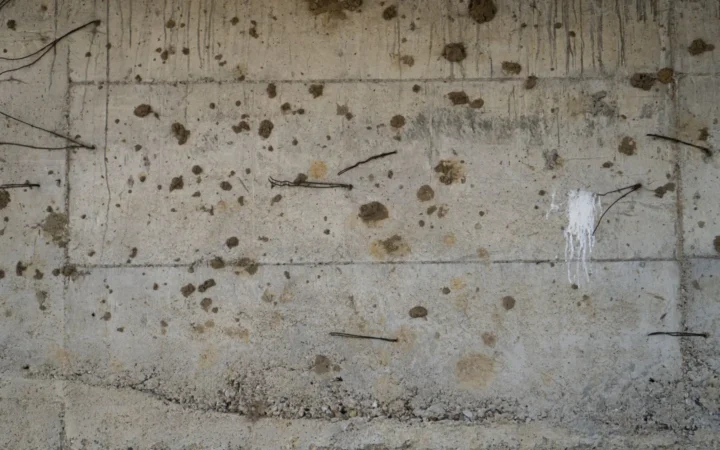
Wet Basements & Drainage
Sump pumps and backup, French drains, drain tile, downspouts and grading.
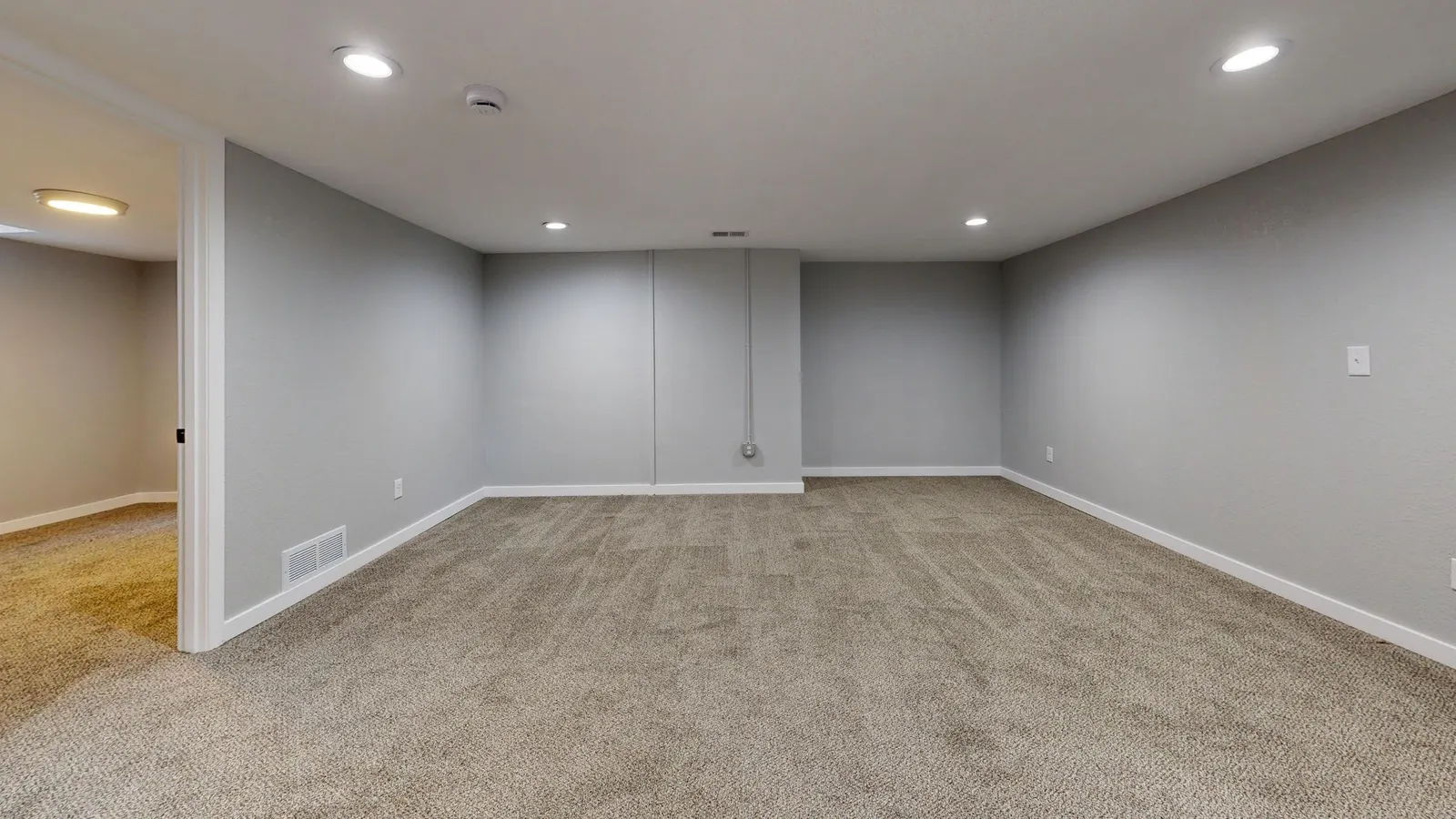
Research-based guides and free calculators for sump pumps, drainage, crawl spaces, moisture, radon and foundations, so you fix the cause instead of chasing the symptom.
Find the source. Fix it once. Stay safe.
Follow the path in order. Each step has a plain-English guide and a free tool that shows its working.
Trace where it enters and why. Moisture diagnosis
Water near power, mold limits and radon. Safety checklist
Grading, downspouts and drains come first. Grading calculator
Size the pump and its backup properly. Pump sizing
Hit the humidity target and hold it. Dehumidifier sizing
Six guides, each built around the questions homeowners actually search for before they buy or hire.
Sump pumps and backup, French drains, drain tile, downspouts and grading.
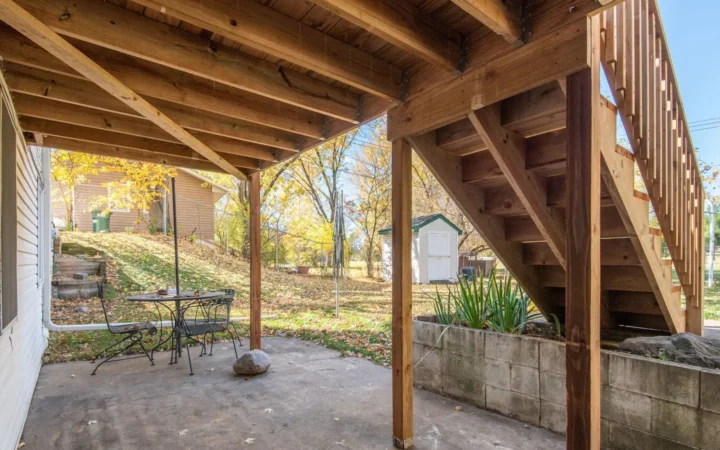
Encapsulation, vapor barrier, insulation, drainage and crawl space dehumidifiers.
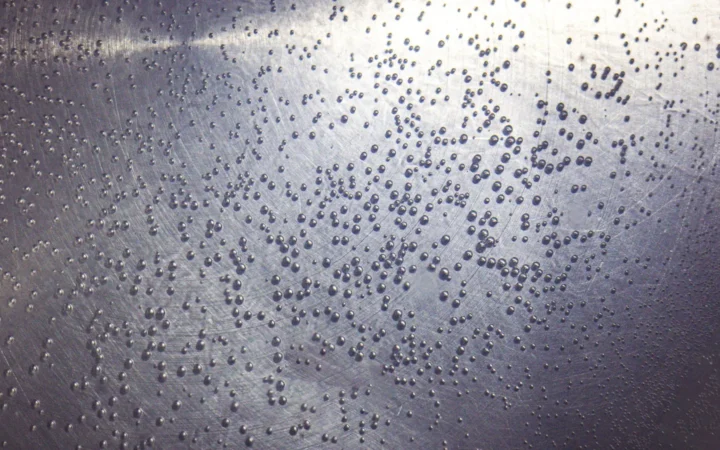
Humidity targets, dehumidifier sizing, condensation, musty smells and mold limits.

Testing your home, reading the result against EPA levels and how mitigation works.
Reading a crack, sealing what is cosmetic and knowing when to call an engineer.

Subfloors, waterproof flooring, insulation, egress windows and real costs.
Every tool explains its formulas, runs in your browser and never saves what you type. They use your own measurements and labels, and recommend sizes and types, never brands.
Six questions, one personalised step-by-step plan for a dry basement, in the order the work should happen.
Work from the symptom you can see to the likely source, before you spend anything on a fix.
Required flow in gallons per hour from your pit size, inflow rate and total head, with pit sizing.
How long a battery backup will keep pumping, from amp-hours, pump draw and cycles per hour.
Gravel volume, pipe length, fabric and fall for a trench, from your own run length and depth.
The fall you need away from the wall, and how far downspout water should discharge.
 Uncategorized
Plan basement pipe condensation insulation with leak checks, moisture measurements, fitting guidance, and advice on when to get help.
 Uncategorized
Plan basement dehumidifier filter replacement: match the model and filter code, compare washable and disposable media, and choose safe care.
 Uncategorized
Choose a basement egress window well cover with clear measurements, an accessible release method, and a plan for snow and drainage.
 Wet Basements & Drainage
Quick answer: A sump pump weep hole decision starts with the exact pump model, valve part number and applicable manual. Record those details before authorizing a change. A…
 Wet Basements & Drainage
Compare sump pump float switch types, recognize when to call for help, and use a model-specific checklist to discuss replacement and service.
 Finishing a Basement
Which flooring materials survive a below-grade slab and which fail, ranked by how they handle moisture rather than by how they look in a showroom.
Side-by-side comparisons that follow our published review methodology. We say clearly whether we tested a product or researched it.
Cure time, durability, UV stability and cost, explained without the sales pitch.
Reliability, pit depth, noise and which one suits your basement.
Sizing, venting, running cost and safety for each fuel.
Water, electricity and soil gas share the same space down here, and some of this work is genuinely not DIY. Every guide follows official safety guidance and tells you plainly when a job belongs to a licensed structural engineer, a certified radon mitigator or a remediation contractor.
Answer six quick questions about your goals, climate, floor, door, budget and how hands-on you want to be. Get a personalised, step-by-step plan with the exact calculators and guides for each step.
No sign-up and no email needed. Print it or save it as a PDF when you are done.
General guidance only. Electrical work, gas appliances, structural repairs and mold over about 10 square feet are jobs for licensed professionals.

Our printable planner: a moisture map, a water-entry tracing sheet, pump and dehumidifier sizing worksheets, a drainage planner, a radon test log, a budget worksheet and a seasonal maintenance calendar. Tick the box if you would also like our newsletter: new tools, seasonal basement checklists and honest gear notes. No hype, and you can unsubscribe at any time.
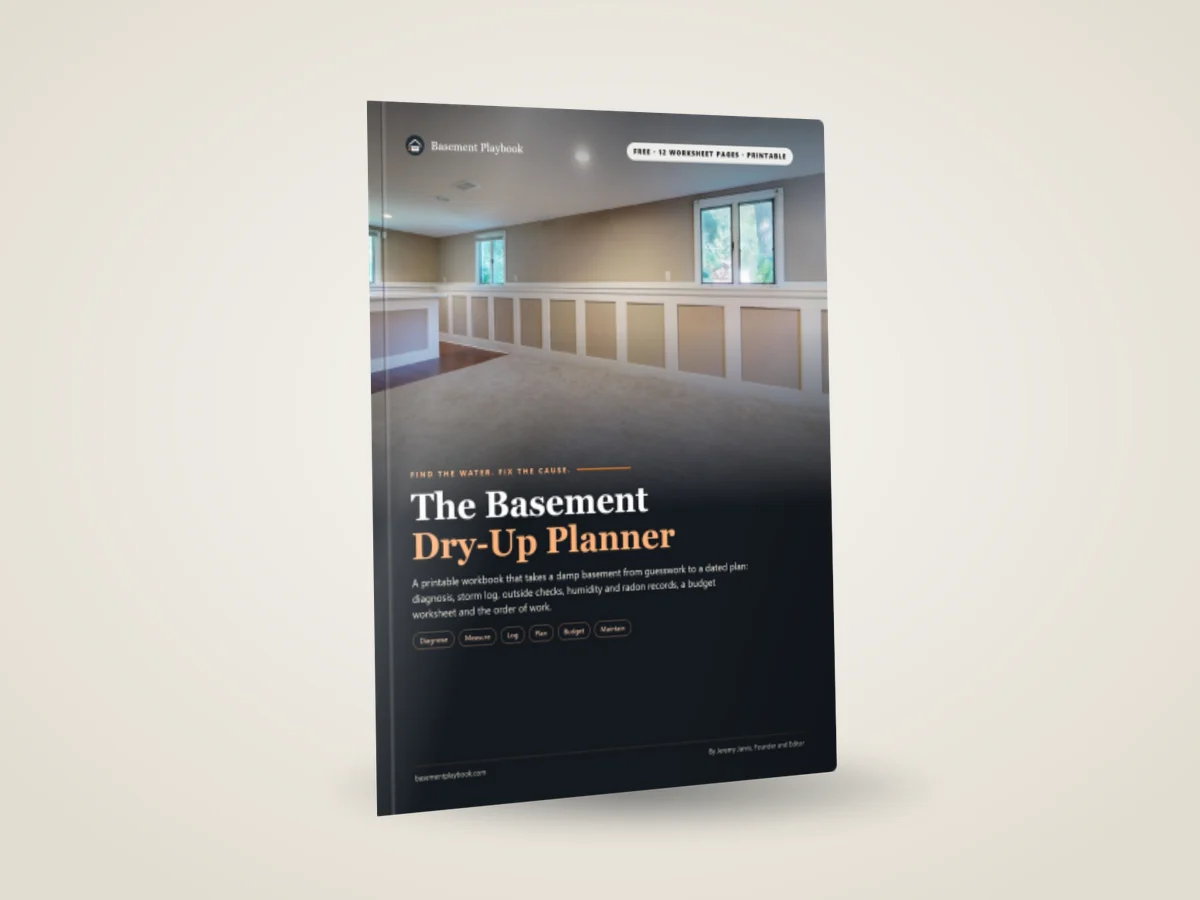
Free download: The Basement Dry-Up Planner
Our 12-page printable planner: your basement today, measure and map, which kind of water you have, a storm log, outside checks, pump and humidity records, radon and crack logs, a budget worksheet and the order of work.
We cite primary sources, separate fact from opinion, and never claim to have tested something we have only researched.
We may earn a commission from some links, at no cost to you. Commissions never decide what we recommend or how a tool calculates.
Spot something out of date? Tell us and we will check it against the source and log the fix.

Basement Playbook was founded by Jeremy Jarvis to be the basement resource he wanted: clear measurements, honest trade-offs, safety guidance from official sources, and tools that show their work, instead of product roundups that skip the diagnosis, the sizing and the safety.
Yes. Every guide and tool on the site is free. We are reader-supported through affiliate commissions, which never change how a calculator works or what it recommends.
No. The calculators run entirely in your browser. Nothing you type is saved or sent to us.
We tell you on every review whether we tested a product hands-on or researched it from specifications, manufacturer documentation and independent sources. We never present research as personal testing.
A narrow, stable, non-structural crack can often be injected by a competent homeowner. Horizontal cracks, stair-step cracks in block, bowing walls and anything that is widening are different: those are signs of movement, and they belong to a licensed structural engineer.
Find where the water comes in first. Fix grading, gutters and downspouts before anything expensive, because most wet basements start outside. Our free Basement Dry-Up Plan Builder puts the steps in order for your situation in about two minutes.